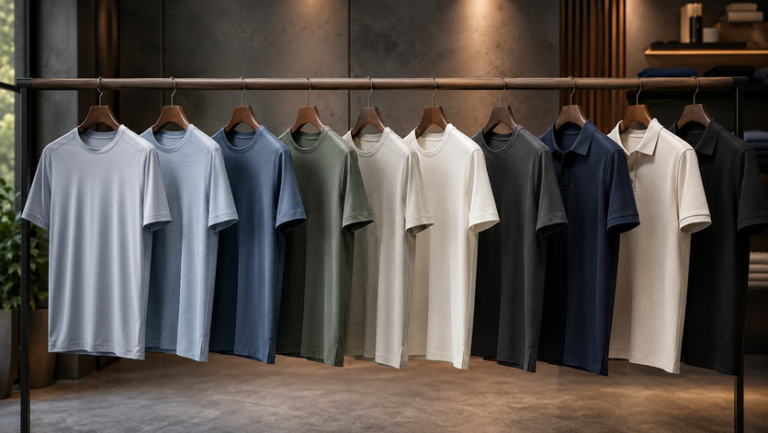
Shirt Thickness Guide: GSM, Brands and Models

Uniform Penang fabric-weight guide

Shirt Thickness Guide: GSM, Brands and Models

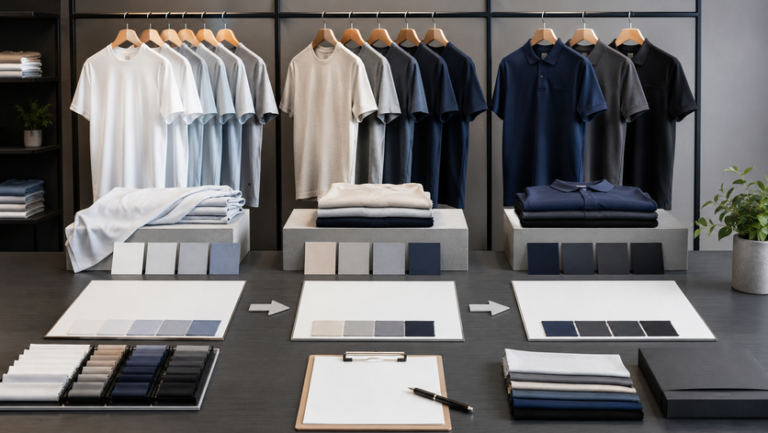
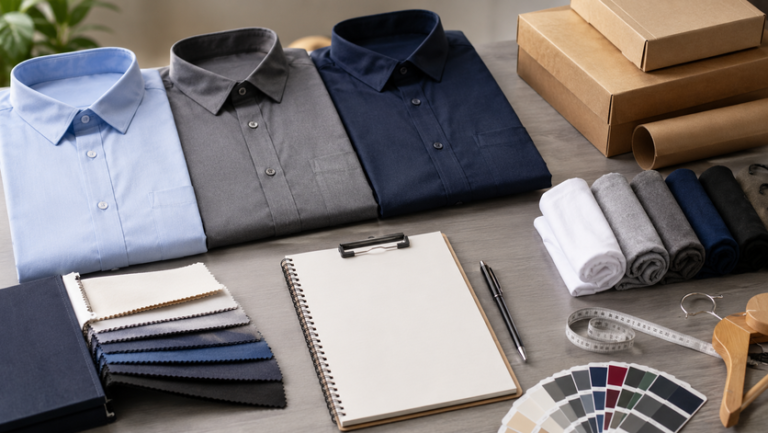
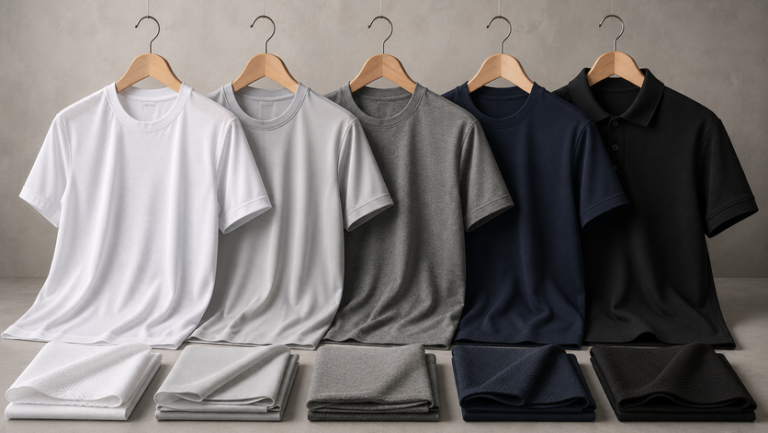
Shirts can feel lightweight, balanced, thick or structured depending on their fabric weight and construction. Understanding GSM helps buyers compare products more accurately before ordering staff uniforms, event shirts, sportswear or premium apparel.

Direct answer: GSM means grams per square metre and describes fabric weight rather than exact physical thickness. Shirts around 130–150gsm are generally lightweight, 160–180gsm are commonly balanced for daily wear, and 200–230gsm usually feel heavier or more structured. However, cotton, microfiber, pique, interlock and honeycomb fabrics can feel different even at similar GSM levels. Choose the fabric weight together with the material, fit, climate, job role and printing method.

1

Lightweight

Often preferred for sports, outdoor work, events and high-movement roles.

2

Medium Weight

A versatile choice for company T-shirts, uniforms and everyday staff apparel.

3

Heavyweight

Offers a more substantial feel for premium cotton shirts and structured polos.

Common shirt weight ranges

Quick comparison

Compare Common Shirt Weight Ranges

These ranges are practical buying guides rather than strict industry rules. Fabric construction can change the feel considerably.

Fabric weight Typical feel Common uses Main consideration
130–150gsm Lightweight and quick to dry Sports, outdoor work, delivery, events and training May feel less structured and pale colours can appear less opaque
160–170gsm Light-to-medium and versatile Daily uniforms, performance polos and active service teams Feel varies greatly between microfiber, interlock and pique
180gsm Balanced and more substantial Company T-shirts, events, retail and casual uniforms Cotton may hold more moisture than lightweight polyester
200–210gsm Thicker and more structured Premium T-shirts, lifestyle uniforms and bold printed apparel Can feel warmer during active outdoor work
220–230gsm Heavy, substantial or structured Premium polos, corporate apparel and smart-casual uniforms May be too warm for high-movement roles in hot conditions

Important: A 160gsm cotton shirt and a 160gsm microfiber shirt will not necessarily feel equally thick, warm or breathable.

Shirt models by GSM level

Brand and model examples

Shirt Models at Different GSM Levels

These examples show how fabric weight changes across sports shirts, T-shirts and polos. Confirm current colours, sizing and availability before ordering.

130gsm performance tee

Crossrunner CRR7000

Material and feel: Lightweight DRYtec microfiber designed for quick-dry performance and active movement.

Suitable for: Running, outdoor teams, delivery staff, events and training.

View Crossrunner CRR7000 →
150gsm quick-dry tee

Oren Sport QD56

Material and feel: Polyester interlock with a lightweight sportswear feel.

Suitable for: Company activities, outdoor events, school teams and group shirts.

View Oren Sport QD56 →
160gsm performance polo

Crossrunner CRP7200

Material and feel: Performance dry pique with moisture-wicking and quick-dry properties.

Suitable for: Corporate field teams, retail, logistics and outdoor customer service.

View Crossrunner CRP7200 →
170gsm microfiber polo

Oren Sport TT01

Material and feel: Microfiber polo with a balanced weight for work, sport and company wear.

Suitable for: Corporate teams, schools, events and active staff uniforms.

View Oren Sport TT01 →
180gsm cotton tee

Arrive Guide AG180

Material and feel: Compact Siro cotton with a balanced everyday T-shirt weight.

Suitable for: Company shirts, retail teams, events and casual uniforms.

View Arrive Guide AG180 →
200gsm premium cotton polo

Ultifresh UH27

Material and feel: Beam Supreme cotton with a thicker, soft and structured polo appearance.

Suitable for: Premium corporate teams, retail and customer-facing staff.

View Ultifresh UH27 →
210gsm heavyweight cotton tee

Arrive Guide AG210

Material and feel: Heavier Siro cotton with a more substantial T-shirt structure.

Suitable for: Premium company apparel, lifestyle uniforms and bold printed designs.

View Arrive Guide AG210 →
220gsm cotton polo

Ultifresh BPT01

Material and feel: BEAM cotton with a substantial premium polo construction.

Suitable for: Corporate teams, hospitality, retail and smart-casual uniforms.

View Ultifresh BPT01 →
230gsm honeycomb polo

Oren Sport HC28

Material and feel: Cotton-polyester honeycomb fabric with a thick, smart-casual polo feel.

Suitable for: Corporate uniforms, schools, teams and structured event apparel.

View Oren Sport HC28 →
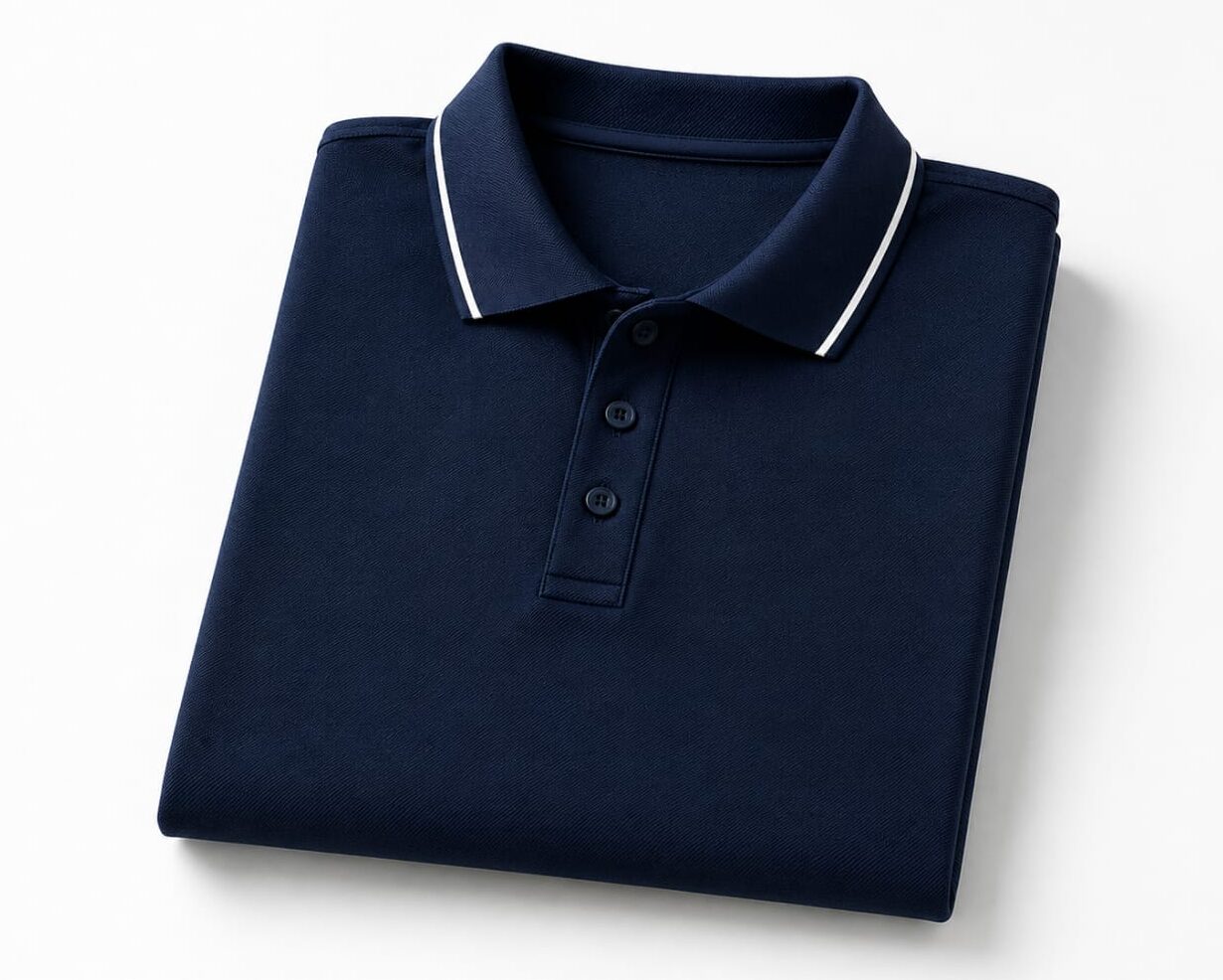
Folded navy polo shirt

Model comparison rule: GSM should not be the only deciding factor. Compare the fibre, knit, collar construction, cut, colour, size range and intended use.
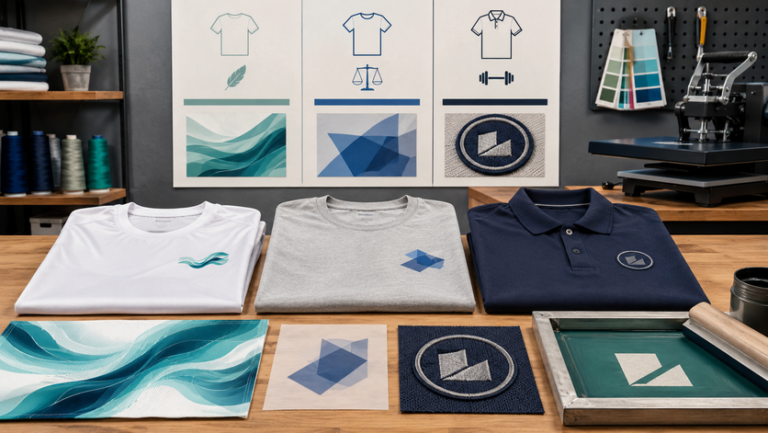
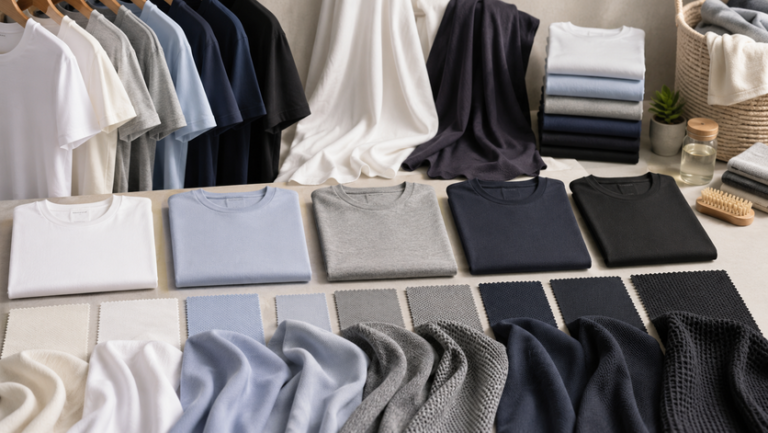
Printing for different shirt weights

Printing and branding methods

Match Printing to the Shirt Weight

Fabric weight affects how a garment supports ink, transfers and embroidery, but fabric type remains equally important.

Lightweight performance shirts

Sublimation or Compact DTF

Sublimation suits compatible polyester. Small DTF logos can work well, but large solid transfers may make a light shirt feel warmer and stiffer.

Medium-weight T-shirts

Silkscreen, DTF or DTG

Balanced cotton T-shirts often support a wide range of artwork, depending on quantity, colour and design detail.

Performance polos

Small Embroidery or DTF

Use compact chest branding and confirm that the fabric can support the stitch density or transfer.

Heavy cotton shirts

Bold Silkscreen or Premium DTF

Heavier cotton can provide a stable surface for larger graphics, although print size and flexibility still matter.

Structured heavy polos

Embroidery

Substantial polo fabrics often support small embroidered chest logos and staff names well.

Personalisation

Heat Transfer for Names and Roles

Use suitable transfer material and avoid placing names across seams, pockets or highly stretchy areas.

Production rule: Approve the exact garment before finalising the artwork size. The same logo may need different dimensions on a 130gsm sports shirt and a 230gsm polo.

Factors beyond shirt GSM

Material and design guide

Six Factors to Compare With GSM

Fabric weight becomes useful only when considered with the rest of the garment specification.

A

Fibre Type

Cotton, polyester, microfiber and blended fabrics absorb moisture and hold structure differently.

B

Knit Construction

Interlock, pique, mini eyelet, jersey and honeycomb fabrics can feel different at similar weights.

C

Working Temperature

Lightweight quick-dry fabric usually suits active hot work better than heavy cotton.

D

Opacity and Colour

White or pale lightweight shirts may appear less opaque than darker colours or heavier fabrics.

E

Fit and Drape

Heavy fabrics may hold their shape, while lighter fabrics can follow the body more closely.

F

Washing and Rotation

Choose enough uniform sets and suitable care instructions for the fabric and job role.

Common Shirt-Thickness Mistakes

  • Assuming higher GSM always means better quality
  • Comparing cotton and microfiber by GSM alone
  • Choosing heavy fabric for high-movement outdoor work
  • Choosing very light white fabric without checking opacity
  • Ignoring collar, seam and fit construction
  • Approving large prints before selecting the shirt
  • Using one product for every department and job role
Shirt weight selection process

Ordering process

Choose the Right Shirt Weight Step by Step

Start with the job and climate before comparing GSM numbers.

1

Describe the Main Use

Explain whether the shirt is for office work, events, sports, retail, warehouses or outdoor duties.

2

Choose the Fabric Category

Compare cotton, quick-dry polyester, microfiber, blends and polo fabrics.

3

Compare GSM Ranges

Shortlist lightweight, medium or heavyweight options that match the job.

4

Check a Physical Sample

Review opacity, stretch, texture, collar shape, drape and comfort.

5

Confirm the Branding Method

Match the printing or embroidery to the exact product and artwork.

6

Collect Sizes From the Correct Chart

Do not transfer employee sizes from a different brand or product model.

7

Save the Product Specification

Record the brand, model, GSM, colour, size chart and approved artwork for reorders.

Buyer scenarios

Recommended Weight Ranges by Use

Outdoor and sports teams

130–160gsm Performance Fabric

Models to compare: Crossrunner CRR7000, Oren Sport QD56 and Crossrunner CRP7200.

Daily company T-shirts

170–180gsm Balanced Fabric

Models to compare: Oren Sport TT01 and Arrive Guide AG180.

Premium cotton apparel

200–210gsm Heavy Cotton

Models to compare: Ultifresh UH27 and Arrive Guide AG210.

Structured corporate polos

220–230gsm Polo Fabric

Models to compare: Ultifresh BPT01 and Oren Sport HC28.

Shirt thickness buying guide

Buyer checklist

Information to Send for a Better Recommendation

  • Job role and working environment
  • Indoor, outdoor or mixed use
  • Preferred T-shirt or polo style
  • Desired lightweight or structured feel
  • Preferred fabric and colour
  • Required adult and extended sizes
  • Logo size and placement
  • Printing or embroidery preference
  • Total quantity and size breakdown
  • Required delivery date

Useful comparison request: Ask Uniform Penang to compare one lightweight, one medium-weight and one heavyweight option within the same garment category.

Frequently asked questions

Shirt Thickness and GSM FAQ

What does GSM mean for shirts?

GSM means grams per square metre. It measures fabric weight, not exact physical thickness.

Is a higher GSM shirt always better?

No. Higher GSM usually feels more substantial, but it may also feel warmer. The best weight depends on the job, climate and garment type.

What GSM is suitable for outdoor work?

Lightweight quick-dry shirts around 130–160gsm are often practical for active outdoor work, depending on the fabric and design.

What GSM is suitable for company T-shirts?

Many buyers choose balanced products around 160–180gsm, while premium cotton shirts may use 200gsm or more.

Why do two shirts with the same GSM feel different?

The fibre, knit, yarn, finishing, stretch and garment construction can all change the feel.

Which GSM is best for embroidery?

Structured polos and heavier fabrics often support embroidery well, but the backing, stitch density and logo size must still suit the garment.

Does heavier fabric last longer?

It may feel more durable, but garment lifespan also depends on fibre quality, stitching, washing, abrasion and intended use.

Compare the right shirt weights

Choose a Better GSM for Your Uniform Order

Share the job role, preferred shirt style, fabric, colour, size range, quantity and artwork. Uniform Penang can compare suitable lightweight, medium-weight and heavyweight products.

Useful Uniform Penang resources

Continue Comparing Products and Printing

Use these pages to compare brands, fabrics, sizes and decoration methods.

Brand comparison

Clothing Brands Guide

Compare brands for corporate, sports, event and industrial uniforms.

Open the brand guide →
Sports and quick-dry garments

Oren Sport Products

Review quick-dry shirts, polos, jerseys, jackets and caps.

Explore Oren Sport →
Cotton products

Gildan Products

Review cotton T-shirts and polos for company and event orders.

Explore Gildan →
Detailed artwork

DTF Printing

Review DTF for compact detailed logos and mixed-product orders.

Explore DTF printing →
Full-colour performance wear

Sublimation Printing

Review integrated full-colour designs for compatible polyester.

Explore sublimation →
Quotation

Contact Uniform Penang

Send the work conditions, preferred weight, sizes, quantity and artwork.

Go to the contact page →

Our other company websites

Regional Uniform and Printing Support

Explore related company websites when the order involves another Malaysian region, Singapore, Australia, broader product sourcing or reseller support.

Malaysia headquarters

JC Print Malaysia

Corporate apparel, custom printing and broader garment sourcing support.

Visit JC Print Malaysia →
Selangor

Selangor Print

Uniform and custom printing enquiries for Selangor and the Klang Valley.

Visit Selangor Print →
Johor

Uniform Johor

Uniform supply and delivery support for companies, schools, groups and events in Johor.

Visit Uniform Johor →
Sabah

Uniform Sabah

Custom apparel and uniform ordering support for customers throughout Sabah.

Visit Uniform Sabah →
Singapore

Uniform Singapore

Corporate uniforms, event apparel and custom printing support for Singapore customers.

Visit Uniform Singapore →
Singapore

Uniform Hub SG

Another Singapore-focused channel for uniform and customised apparel enquiries.

Visit Uniform Hub SG →
Australia

Tanah Studio

Apparel and creative product support for customers seeking an Australia-based option.

Visit Tanah Studio →
Reseller support

KitaPrint

Resources for agents and resellers interested in selling printed apparel online.

Visit KitaPrint →

Product ranges, model specifications, stock, colours, size availability and regional service arrangements may change. Confirm current requirements before ordering.

Leave a Comment

Your email address will not be published. Required fields are marked *