Custom outfit planning guide
Benefits of Custom Outfits from Uniform Penang
Custom outfits help companies, schools, clubs, event organisers and service teams present a more coordinated image while choosing garments, colours and branding that suit the actual job. A planned order can also make staff identification, future reorders and brand consistency easier.
Direct answer: The main benefit of buying custom outfits from Uniform Penang is that the garment, branding method, colour, size range and wearer role can be planned as one complete order. This creates a more professional appearance, improves team recognition, supports practical comfort and makes it easier to reproduce the same look for new staff, future events or repeat campaigns.
Consistent Brand Image
Coordinate garment colours, logo placement and outfit style across departments, branches or event teams.
Better Role Identification
Use colours, garment types, names or department labels to help customers and team members identify the right person.
Easier Repeat Orders
Keep the approved garment, artwork and placement details organised so later additions can follow the same direction.
Quick comparison
Generic Clothing vs Planned Custom Outfits
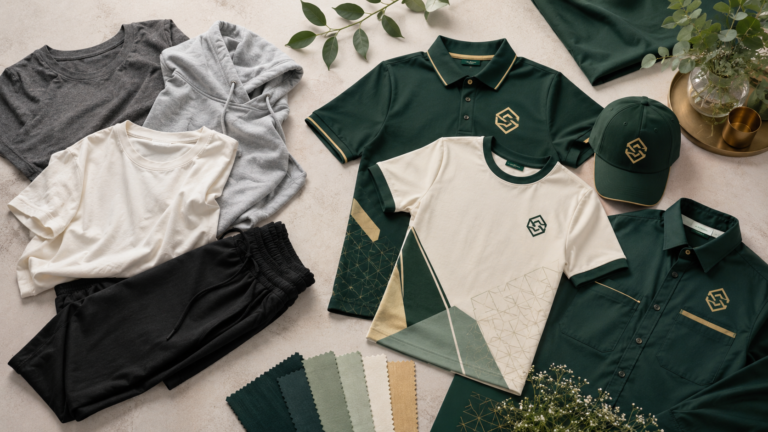
Buying plain garments without an overall plan may solve an immediate clothing need, but a coordinated custom outfit order can deliver stronger long-term value for groups that need a consistent public image.
| Ordering consideration | Generic or unplanned clothing | Custom outfits with Uniform Penang | Practical benefit |
|---|---|---|---|
| Brand appearance | Colours and garments may vary between wearers or purchases | Garment, colour and branding can follow one approved direction | A more recognisable and organised team image |
| Role identification | Customers may not know who is staff, crew or a supervisor | Roles can be separated by colour, garment type, department or name | Faster recognition in workplaces and events |
| Garment suitability | One garment may be used without considering the work setting | Options can be compared by formality, movement, heat and wearer duties | Better comfort and a more appropriate appearance |
| Logo application | Artwork may be added without checking fabric or placement | Embroidery, DTF, silkscreen, sublimation or heat transfer can be matched to the design | Branding that better suits the garment and intended look |
| Sizing | Sizes may be collected using assumptions or an unrelated chart | The exact product chart can be approved before final size collection | Fewer avoidable sizing mistakes |
| Future additions | New purchases may not match the earlier outfit | Approved product, colour and artwork details can guide reorders | Greater continuity for new staff or recurring events |
Outfit options
Custom Outfits for Different Teams and Activities
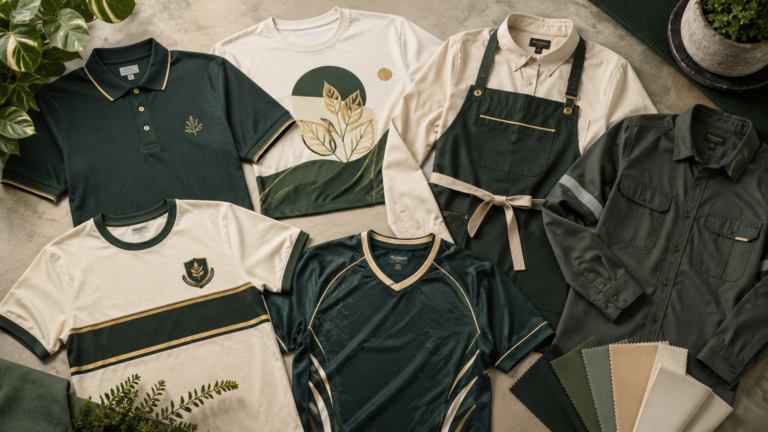
The strongest outfit is not simply the most formal or the most colourful. It is the one that supports the wearer, suits the environment and presents the organisation clearly.
Polo Shirts for a Professional Everyday Look
Custom polo shirts provide a neat collared appearance without requiring a full formal uniform. They can suit sales staff, office teams, exhibition crews, supervisors and customer-facing roles.
Main benefit: A balanced combination of brand visibility, comfort and professional presentation.
Round-Neck T-Shirts for Large Mixed Groups
Printed T-shirts are practical for company activities, launches, volunteer programmes, roadshows, charity events, school clubs and campaign crews. They also provide a broad area for visible artwork.
Main benefit: Easy group coordination with flexible front, back and sleeve branding.
Role-Based Outfits for Front and Back of House
A service business can coordinate polos, T-shirts, aprons or outer layers by role. The colours can remain connected while supervisors, service staff and support teams use different garment types.
Main benefit: Customers can recognise staff roles while the overall business identity stays consistent.
Practical Uniforms for Repeated Work Use
Operations teams may need shirts selected for movement, visibility, work environment and repeated wear. Departments or responsibilities can be identified through garment colour, sleeve details or printed labels.
Main benefit: A coordinated uniform system designed around actual daily duties.
Group Apparel That Builds Belonging
Club shirts, society apparel, camp outfits and committee uniforms can help members feel connected. A clear design also makes organisers easier to identify during activities.
Main benefit: Stronger group identity and a garment that can continue to be worn after the programme.
Performance Garments for Movement
Quick-dry shirts and sublimated jerseys may be better for active teams, tournaments, running events and outdoor programmes. The design can incorporate team colours, numbers, names and sponsor areas where appropriate.
Main benefit: Better alignment between the garment, activity and visual team identity.
Printing and branding
A Branding Method for Different Outfit Goals
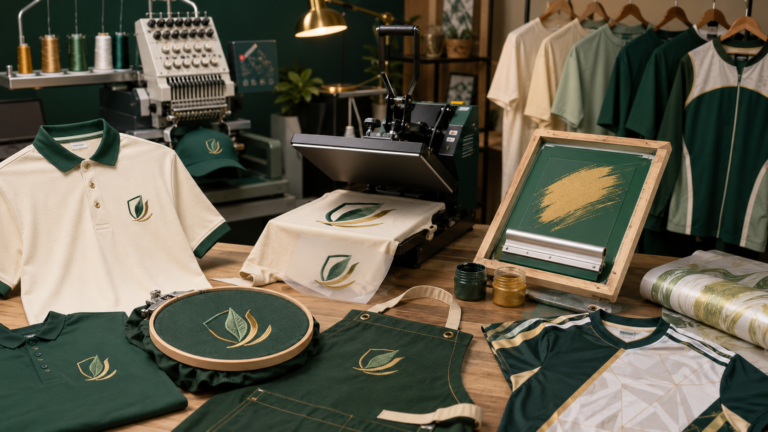
Uniform Penang can compare the garment and artwork together instead of treating printing as a separate decision. The recommended method depends on the fabric, design detail, placement, quantity and desired finish.
Embroidery
Embroidery creates a textured and professional logo, especially for compact left-chest, sleeve or name placements. Very small details may need to be simplified before production.
Best benefit: A structured branded finish for polos, jackets, aprons, caps and selected workwear.
DTF Printing
DTF is useful for multicolour logos, gradients, illustrated artwork, small text and designs with more detail than a simple solid-colour mark.
Best benefit: Flexible artwork reproduction across many common garment styles.
Silkscreen Printing
Silkscreen is often considered for repeated artwork with a controlled number of colours, particularly when many garments use the same front or back design.
Best benefit: A clean, bold print direction for event shirts, campaigns and larger uniform groups.
Sublimation Printing
Sublimation supports all-over or panel-based designs on suitable polyester garments. It is commonly used for sports jerseys and performance apparel with integrated graphics.
Best benefit: Greater design freedom for activewear, team colours, names and numbers.
Heat Transfer
Heat-applied lettering or graphics can support names, numbers and selected small-batch personalisation. Suitability depends on the transfer material and garment fabric.
Best benefit: Practical personalisation for individual roles, player details or department labels.
Mixed Branding Methods
Some projects benefit from combining methods, such as an embroidered chest logo with a printed back message or a team crest with individual names and numbers.
Best benefit: Each placement can use the method that best supports its purpose.
Material, colour and design
Why Planning the Full Outfit Matters
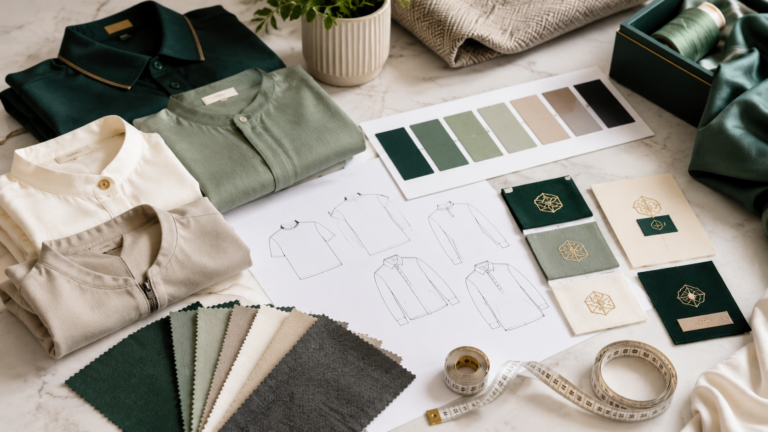
A custom outfit should work as a complete system. Fabric, garment cut, colour, artwork, size range and wearer role all affect whether the final result feels professional and practical.
Fabric for the Environment
Cotton-rich garments may suit casual and indoor use, while quick-dry polyester can be more appropriate for active or warm working conditions. The actual duty should guide the choice.
Colours with a Clear Purpose
Brand colours can create recognition, while role colours can separate staff, supervisors, volunteers or departments. Always check current garment colour availability before final approval.
Logo Placement That Reads Well
Left-chest logos feel formal and compact, large back prints improve visibility, and sleeve marks can add secondary branding without overcrowding the front.
Sizes Based on the Exact Product
Different brands and garment models may use different measurements. Approve the correct size chart before collecting the final quantity by size.
Role Hierarchy Without Confusion
Use a controlled difference, such as another collar colour or garment type, rather than giving every department a completely unrelated design.
Artwork That Can Be Reused
A clean master artwork file makes it easier to produce later additions, seasonal campaigns or matching items without rebuilding the design from screenshots.
- Choosing a garment only by appearance without considering heat, movement or work duties
- Collecting sizes before confirming the exact garment and size chart
- Using low-resolution screenshots as the final logo artwork
- Adding too many colours, messages or sponsor marks to one small print area
- Assuming the same artwork size will look balanced on every garment type
- Confirming only one colour without preparing an acceptable alternative when stock changes

Ordering process
How a Planned Custom Outfit Order Works
A clear process helps the supplier recommend suitable garments and helps the buyer avoid late changes. The details below can be prepared before requesting a quotation.
Explain the Group and Purpose
State who will wear the outfit, what they will do, whether customers will see them and whether the garment is for daily use, an event or merchandise.
Compare Suitable Garments
Review T-shirts, polos, workwear, performance garments or outerwear based on comfort, appearance, role and expected wear.
Confirm Colour and Branding Direction
Choose preferred garment colours, logo positions, names, numbers and any department variations. Prepare alternative colours when flexibility is possible.
Approve the Size Chart
Use the chart for the selected product, then collect final quantities by size. Include special size requirements early so the order can be reviewed properly.
Review Artwork and Order Details
Check spelling, colours, placement, quantities, garment model and delivery information before production is approved.
Keep the Approved Reference
Retain the final garment, colour, artwork and placement details. These references can make future additions or repeat orders easier to discuss.
Buyer scenarios
Where the Benefits Become Most Useful
New Staff Need to Match the Existing Team
A documented garment and branding direction makes it easier to discuss additions without redesigning the uniform every time the company hires or opens another department.
Visitors Need to Find the Right Crew Quickly
High-visibility colours, role labels and consistent back prints can help distinguish registration staff, organisers, logistics teams and supervisors.
Different Duties Need One Connected Identity
Front-of-house staff, supervisors and support teams can use different garments while sharing the same logo, colour family and design language.
The Organiser Wants an Easier Repeat Order
Keeping approved artwork and product details provides a clearer starting point for the next intake, campaign or yearly event, subject to current stock and availability.
Final checklist
Prepare These Details Before Enquiring
Wearer and Garment Details
- Type of organisation, team or event
- Main duties and working environment
- Estimated quantity and wearer groups
- Preferred garment types
- Expected size range
- Preferred colours and acceptable alternatives
Artwork and Order Details
- Original logo or high-resolution artwork
- Front, back and sleeve positions
- Names, numbers, roles or departments
- Required receiving date
- Delivery location and contact person
- Previous order reference, when available
Frequently asked questions
Custom Outfit FAQs
What is the biggest benefit of ordering custom outfits?
The biggest benefit is coordination. The garment, colour, logo, placement and wearer role can be planned together so the final outfit is easier to recognise and more suitable for its purpose.
Can different departments use different garments?
Yes. Different roles can use polos, T-shirts, workwear or outerwear while sharing the same colour family and branding system. This helps preserve one company identity without forcing every employee into the same garment.
Can names, numbers or departments be added?
Personalisation may be possible through suitable printing, transfer or embroidery methods. Provide the complete name or number list in a clear format and confirm spelling before production.
How should staff sizes be collected?
First confirm the exact garment model and its size chart. Then ask each wearer to compare the chart with a well-fitting garment or follow the agreed measuring method before submitting the final quantity by size.
Can the same design be reordered later?
A previous order reference, approved artwork and product details can make a later enquiry easier. However, current garment colours, sizes and stock should still be reconfirmed for every reorder.
Does Uniform Penang only supply formal uniforms?
No. A custom outfit can include corporate polos, printed T-shirts, event apparel, workwear, performance shirts, jerseys, hoodies and other suitable garments depending on the group and activity.
Plan your custom outfits
Build a More Consistent Look for Your Team
Share your wearer roles, estimated quantity, garment preferences, colours, artwork and required receiving date. Uniform Penang can help you compare suitable outfit and branding directions before the order is confirmed.
Useful Uniform Penang resources
Plan the Next Part of Your Order
Use these guides to compare services, prepare artwork, collect sizes and send a clearer custom outfit enquiry.
Uniform Printing and Embroidery
Review garment and customisation services for corporate, school, event, work and team requirements.
View Uniform Penang services →Choose the Right Logo Size
Plan chest, front and back branding that remains balanced across garments and wearer sizes.
Open the logo size guide →Collect Uniform Sizes Correctly
Reduce avoidable errors by approving the exact product chart before collecting final quantities.
Read the sizing guide →What to Say When Ordering
Use a practical message format covering garment type, quantity, sizes, artwork and delivery details.
Prepare your enquiry →Compare Gildan Shirt Options
Review practical Gildan garment choices for companies, clubs, events and different wearer groups.
Read the Gildan overview →Contact Uniform Penang
Send your custom outfit requirements and request a quotation based on the selected garment and branding.
Go to the contact page →Our other company websites
Regional Uniform and Printing Support
Explore related company websites when the order involves another Malaysian region, Singapore, Australia, broader product sourcing or reseller support.
JC Print Malaysia
Corporate apparel, custom printing and broader garment sourcing support.
Visit JC Print Malaysia →Selangor Print
Uniform and custom printing enquiries for Selangor and the Klang Valley.
Visit Selangor Print →Uniform Johor
Uniform supply and delivery support for companies, schools, groups and events in Johor.
Visit Uniform Johor →Uniform Sabah
Custom apparel and uniform ordering support for customers throughout Sabah.
Visit Uniform Sabah →Uniform Singapore
Corporate uniforms, event apparel and custom printing support for Singapore customers.
Visit Uniform Singapore →Uniform Hub SG
Another Singapore-focused channel for uniform and customised apparel enquiries.
Visit Uniform Hub SG →Tanah Studio
Apparel and creative product support for customers seeking an Australia-based option.
Visit Tanah Studio →KitaPrint
Resources for agents and resellers interested in selling printed apparel online.
Visit KitaPrint →Product range, stock, delivery coverage and service arrangements may vary by website and region. Confirm current requirements with the relevant team before ordering.