
Penang Print-on-Demand Business Guide
How to Start a Print-on-Demand T-Shirt Business in Penang: From Idea to First Order
Build a practical made-to-order apparel business by choosing a clear audience, a manageable product range, suitable printing methods and an order process you can control.
Direct answer: Start with one specific customer group, one or two garment types and a small collection of original designs. Decide whether orders will be produced individually, collected through a preorder campaign or grouped into small batches. Confirm product quality with samples, calculate the full cost of each order, prepare clear artwork and size information, then test the business with a limited launch before adding more products.
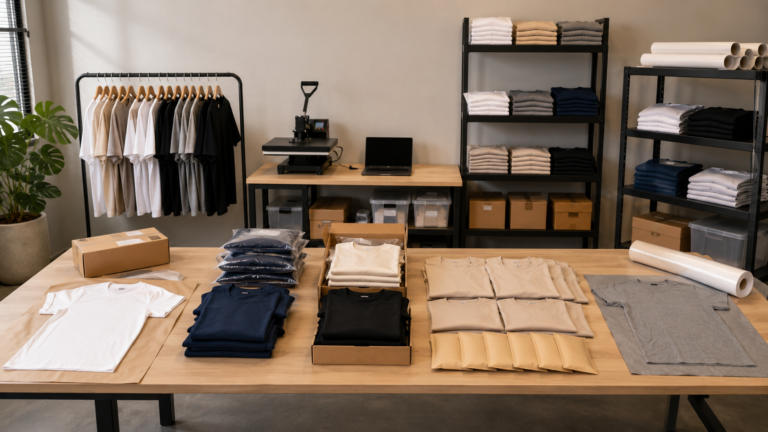
Start simple and prove demand
What a Print-on-Demand Apparel Business Actually Involves
A print-on-demand business sells a design first and produces the garment after an order or confirmed campaign is received. This can reduce the need to hold large quantities of finished printed stock, but it does not remove business risk. You still need to manage garment availability, artwork quality, print suitability, sizing, customer expectations, payment, packing, delivery and after-sales service.
The most reliable starting point is not a large catalogue. It is a controlled offer that solves a clear customer need. Examples include identity shirts for school clubs, university societies, family events, fitness communities, creators, local tourism concepts, company teams or niche interest groups.
Uniform Penang is powered by JC Print & Office Sdn Bhd. Production and supply coordination are handled through the company’s Shah Alam facility, with apparel customisation and delivery arrangements available for Penang subject to product, artwork and order review.
Clear Niche
Choose a recognisable audience with a reason to buy, rather than trying to sell generic designs to everyone.
Focused Products
Begin with a small range that is easy to explain, sample, photograph, size and reorder.
Complete Costing
Include the garment, printing, packaging, payment fees, delivery support, rejected items and marketing costs.
Controlled Workflow
Define how orders, artwork approvals, sizes, production updates and customer communication will be handled.
Choose the right operating model
Print-on-Demand Business Models Compared
Your production model affects cash flow, customer waiting time, quality control and the amount of work required for each order. Use this table to decide which approach matches your audience and resources.
| Business Model | How It Works | Suitable Starting Use | Main Point to Control |
|---|---|---|---|
| Individual made-to-order | Each confirmed customer order is prepared as a separate production request. | Creator merchandise, personalised gifts and small niche collections. | Per-order handling, artwork consistency, garment availability and customer communication. |
| Preorder campaign | Orders are collected for a fixed period before one coordinated production run. | School clubs, university societies, events, launches and limited-edition designs. | Clear closing date, payment rules, final quantity, size collection and delivery expectations. |
| Small-batch restock | A small quantity is produced after demand is tested, then replenished based on sales. | Local apparel brands, pop-up sales and products with repeated demand. | Stock balance, size allocation, slow-moving designs and reorder decisions. |
| Custom group merchandise | A club, company, family or community submits one combined order with shared artwork. | Team shirts, activity apparel, reunion shirts and organisation merchandise. | One approved artwork, one controlled size list and one decision-maker. |
| Hybrid model | Core products are kept in limited stock while personalised or less common options are produced after order confirmation. | Growing brands with proven sellers and occasional custom requests. | Separating ready-stock promises from made-to-order timelines and keeping product information accurate. |
Validate before expanding
Five Questions to Answer Before You Launch
Who Is the Buyer?
Define the audience by activity, identity, style, location, price expectation or problem rather than using a broad label such as “everyone.”
Why Will They Choose You?
Your offer may compete through original artwork, personalisation, local relevance, group ordering, garment quality or a strong community story.
What Will You Sell First?
Select a product that fits the audience, design style, climate, activity level, size needs and preferred printing method.
How Will Orders Be Collected?
Choose a website, marketplace, social media order form, direct quotation process or controlled preorder sheet.
Who Controls Approval?
Set one final approval point for artwork, spelling, print size, garment colour, quantity and personalisation data.
What Happens After Payment?
Document the order confirmation, production request, status update, quality check, packing and delivery sequence.
Build a focused starter catalogue
Apparel Products to Consider for a Print-on-Demand Business
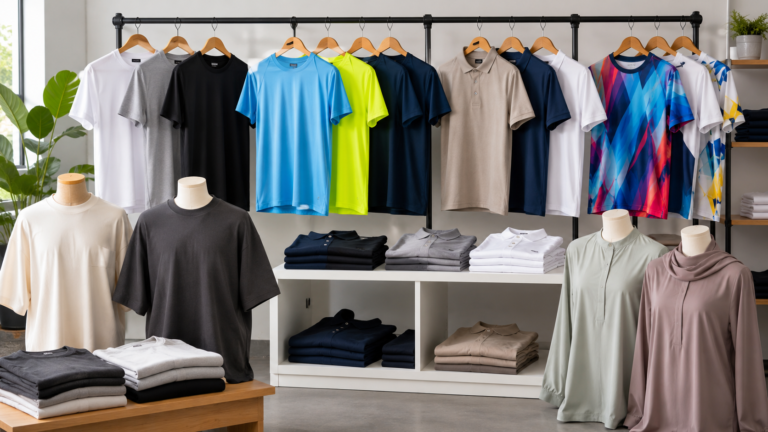
The best starting product is the one your target customer is likely to wear, understand and order confidently. Review actual garment samples and size charts before publishing product claims or accepting orders.
Cotton Round-Neck T-Shirts
A familiar option for original graphics, creator merchandise, casual brands, family concepts, school groups and community campaigns.
- Review fabric feel, thickness and fit
- Confirm colour and size availability
- Match the print area to the design
Quick-Dry T-Shirts
Useful to assess for fitness communities, outdoor activities, sports events, running groups and warm-weather use.
- Check fabric texture and opacity
- Confirm method compatibility
- Test comfort during movement
Polo Shirts
A stronger fit for business communities, team merchandise, service groups, alumni collections and more structured branding.
- Review collar and placket quality
- Plan chest artwork carefully
- Confirm unisex or separate fits
Sublimation Jerseys
Suitable to review for sports, esports, cycling, running, gaming communities and designs that use extensive colour or pattern coverage.
- Polyester-based product required
- Use a complete garment template
- Check names and numbers carefully
Heavyweight or Oversized T-Shirts
A possible direction for streetwear, art-led collections and buyers who value a particular silhouette rather than a standard promotional fit.
- Confirm actual garment measurements
- Show fit clearly in product content
- Keep colour choices controlled
Long-Sleeve and Modest-Wear Options
Useful when the audience needs additional coverage, sun protection, cooler indoor use or coordinated options beyond short sleeves.
- Review sleeve length and cuff style
- Check print placement limitations
- Include the exact size chart
Do not skip physical evaluation
Why Samples Matter Before You Start Selling
A digital mockup cannot confirm fabric feel, garment fit, colour accuracy, print texture, opacity or wash behaviour. Order and review samples using the same garment, colour, artwork size and printing method that customers will receive whenever practical.
Product Sample Review
- Fabric feel, weight and stretch
- Collar, sleeve and seam construction
- Actual measurements across key sizes
- Colour appearance in natural light
- Fit on the intended audience
Printed Sample Review
- Artwork position and final dimensions
- Fine details and small text readability
- Print feel and interaction with the fabric
- Colour contrast on the selected garment
- Care instructions and expected use
Match the method to the order model
Printing Methods for Print-on-Demand Apparel
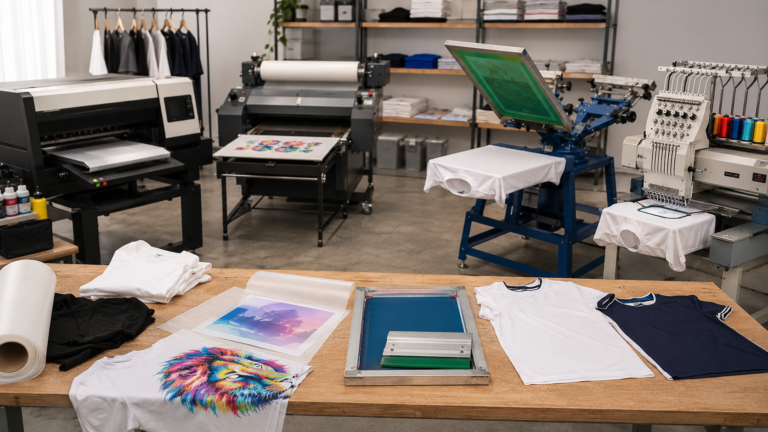
No printing method is automatically best for every business. The right choice depends on garment material, artwork, colour count, print position, expected order pattern and whether production is handled individually or in coordinated batches.
DTF Printing
DTF can be considered for multi-colour artwork, detailed graphics and smaller custom apparel runs on compatible garments.
- Useful for varied artwork and colour
- Print feel depends on design coverage
- Artwork quality remains important
Silk Screen Printing
Silk screen is often assessed when the same design is repeated across a coordinated quantity, especially with controlled colours and placements.
- Requires setup for each artwork direction
- Can suit preorder and group-order models
- Changes should be controlled before production
Sublimation Printing
Sublimation is suitable to review for compatible polyester garments and full-colour designs that form part of the garment itself.
- Common for jerseys and activity apparel
- Requires accurate design templates
- Names and numbers need final data control
Embroidery
Embroidery can create a structured branded appearance for polos, jackets, caps and selected merchandise, but it is not suitable for every fine or complex graphic.
- Best assessed with simplified artwork
- Garment structure must support stitching
- Final size affects detail and readability
| Order Situation | Method to Review | Why It May Fit | What to Confirm |
|---|---|---|---|
| Detailed graphic produced in smaller custom runs | DTF | Supports detailed and multi-colour artwork on compatible apparel. | Print dimensions, fabric, design coverage, colour contrast and finishing. |
| One repeated design collected through a preorder | Silk screen or DTF | The order can be assessed as one coordinated production batch. | Total quantity, colour count, artwork changes and garment mix. |
| Sports or esports jersey with full visual coverage | Sublimation | The design can be integrated across suitable polyester garment panels. | Template, colours, panel alignment, names, numbers and sizing. |
| Premium polo or structured merchandise | Embroidery | Provides a stitched identity that can suit selected garments. | Logo simplification, stitch size, fabric support and placement. |
Avoid these production mistakes
Common Printing Errors New Sellers Make
- Choosing a method before confirming the garment fabric and order pattern.
- Using low-resolution images taken from social media or screenshots.
- Publishing mockups with print sizes that cannot be reproduced as shown.
- Accepting spelling, name or number changes after final approval.
- Assuming one artwork size will look correct across every garment size.
- Offering too many garment colours before checking artwork contrast.
- Claiming a finish, lifespan or delivery schedule without supplier confirmation.
Turn a design idea into a sellable product
Niche, Brand, Material and Design Planning
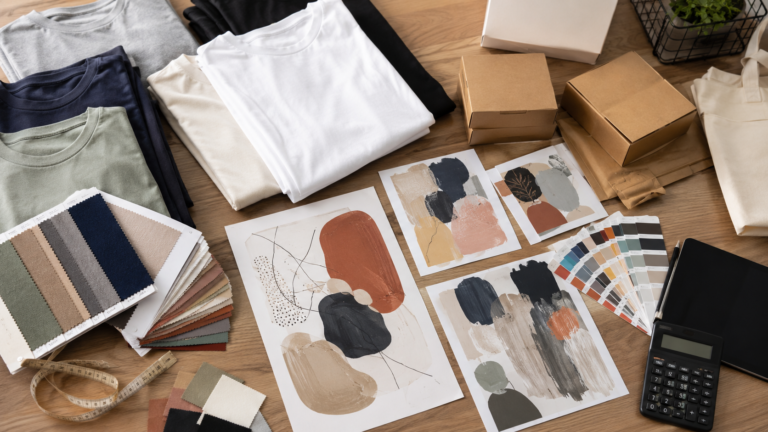
A successful print-on-demand offer needs more than attractive artwork. The product, message, garment and customer experience should feel like one coherent brand.
Choose a Specific Niche
Look for a group with shared language, identity, activity or buying occasion. A useful niche is clear enough that customers recognise themselves in the product.
- School or university communities
- Fitness, sports or hobby groups
- Local culture and tourism concepts
- Creators, artists and online communities
- Family, event and organisation merchandise
Define the Product Promise
Decide what the customer should value most: original design, comfortable fabric, personalisation, coordinated group identity, premium fit or easy local ordering.
- One clear reason to choose the product
- Accurate garment and size information
- Consistent visual and writing style
- Simple order and approval process
- Realistic service expectations
Build the cost before setting the price
How to Calculate a Sustainable Selling Price
Do not set the selling price by looking only at the blank shirt and printing charge. Build a cost sheet that reflects the full order journey. The final price should cover the product, operating costs, expected problems and the value your brand provides.
Direct Product Costs
- Blank garment
- Printing or embroidery
- Personalisation
- Labels and packaging
- Inbound or handling costs
Selling and Fulfilment Costs
- Payment or marketplace fees
- Customer delivery support
- Promotional discounts
- Content and advertising
- Customer service time
Risk and Business Costs
- Misprints or rejected items
- Size exchanges and returns
- Samples and photography
- Software and administration
- Profit reserved for growth
Artwork and colour control
Prepare Designs That Can Be Produced Consistently
Artwork File Checklist
- Original or properly licensed artwork
- High-resolution or vector source file
- Transparent background where required
- Final print dimensions and placement
- Outlined or supplied fonts
- Separate files for each approved variation
Colour and Garment Checklist
- Strong contrast between artwork and fabric
- Limited starter garment colours
- Colour names matched to actual products
- Mockups labelled as visual references
- Physical sample checked where practical
- Consistent colour instructions for reorders
A practical launch sequence
Step-by-Step: From Business Idea to First Customer Order
Select One Audience and Buying Occasion
Define who the product is for, when they buy and what problem or identity the shirt supports.
Study Existing Demand
Review customer comments, community discussions, search behaviour, event needs and competing products. Look for unmet needs rather than copying designs.
Choose the Product and Production Model
Confirm the garment, size range, colours, printing method and whether you will use individual orders, preorders or coordinated batches.
Create and Test Original Designs
Prepare production-ready artwork, make realistic mockups and evaluate a physical sample before launching the final product page.
Build the Full Cost and Selling Price
Include product, printing, packaging, platform, customer service, delivery support, risk and marketing costs.
Create the Order and Approval Workflow
Prepare product descriptions, size charts, artwork approval rules, payment steps, production updates and customer-service templates.
Launch a Limited Collection
Start with a small number of products and designs. Use real product photos, clear benefits and one direct call to action.
Review Results Before Expanding
Track which designs sell, which sizes are requested, what customers ask, where delays occur and which products create repeat demand.
Possible starter directions
Print-on-Demand Business Scenarios
School and University Club Merchandise
Use a controlled preorder for members, committee teams, annual events or society identity shirts. One coordinator should manage artwork and sizes.
Fitness and Hobby Group Apparel
Create shirts around a shared activity such as running, cycling, gaming, cars, music, volunteering or outdoor interests.
Artist or Content Creator Merchandise
Turn original artwork, phrases or visual themes into a focused collection that reflects the creator’s existing audience.
Penang-Inspired Apparel Concepts
Develop original designs around local experiences, humour, food culture, neighbourhood identity or travel memories without copying protected brands or artwork.
Company and Community Merchandise
Offer coordinated apparel for internal campaigns, volunteer teams, celebrations, clubs and membership programmes through quotation-based orders.
Limited Preorder Collections
Launch a design for a fixed campaign, reunion, tournament, festival or special date, then close orders before production begins.
Measure the business, not only sales
What to Track After Launch
Customer and Product Signals
- Most viewed and most ordered designs
- Common size and colour requests
- Customer questions before purchase
- Reasons for cancelled or incomplete orders
- Repeat-order and referral behaviour
Operational Signals
- Time spent checking each order
- Artwork and data errors
- Production or stock interruptions
- Packing and delivery issues
- Actual profit after all costs
Launch checklist
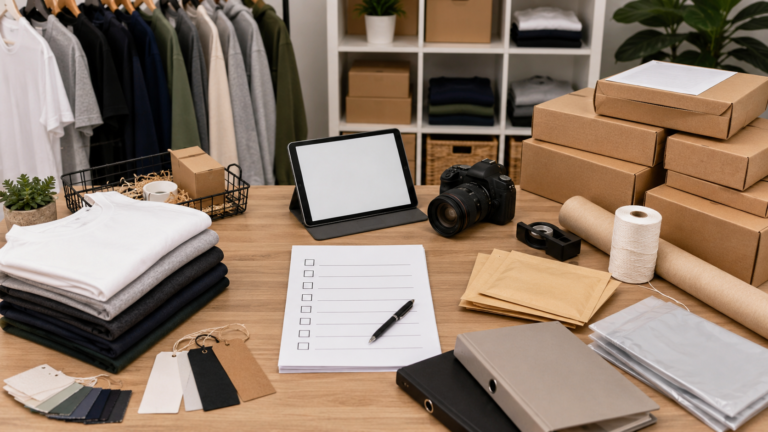
What to Prepare Before Opening Your Print-on-Demand Store
Business and Product Setup
- Target audience and niche statement
- Starter garment and colour range
- Original or licensed artwork files
- Physical product and printed samples
- Complete cost sheet and selling price
- Product photos, mockups and size charts
Order and Customer Setup
- Order form or storefront process
- Payment and confirmation steps
- Artwork approval and change rules
- Production and delivery communication
- Return, exchange and issue-handling policy
- Supplier contact and backup planning
Frequently asked questions
Print-on-Demand Business FAQs
Is print-on-demand a low-risk business?
It can reduce the need to hold large quantities of finished printed stock, but it still involves risk. Samples, artwork, marketing, platform fees, customer service, rejected items, size issues and supplier coordination all require time and budget.
Do I need to keep any stock?
Not necessarily, but the answer depends on your model. Individual made-to-order production may use no finished stock, while a hybrid business may keep selected blank garments or proven designs available for faster repeat sales.
Can I start with only one design?
Yes. One strong design for one clearly defined audience can provide better learning than many unrelated products. You can introduce variations after confirming demand.
Which printing method is best for a new print-on-demand brand?
There is no universal answer. DTF may suit detailed smaller custom runs, silk screen may suit repeated preorder quantities, sublimation may suit polyester jerseys and embroidery may suit selected premium garments. Confirm the method against the actual product and artwork.
Do I need a website before I start?
No. A controlled order form, social media page, marketplace listing or quotation process can be used to test demand. The important requirement is a clear order, payment, approval and customer-service workflow.
How should I price a print-on-demand T-shirt?
Calculate the blank garment, printing, packaging, platform or payment fees, customer delivery support, marketing, rejected items, administration and desired profit. Recalculate whenever the product or sales channel changes.
Can I sell shirts using famous characters, logos or photographs?
Do not use protected content without permission. Build the business around original designs or assets with clear commercial-use rights, and keep evidence of the source and licence.
What should I ask an apparel printing supplier?
Ask about garment choices, fabric compatibility, artwork requirements, available print positions, size charts, colour availability, sample arrangements, production workflow, packing and Penang delivery arrangements.
Can Uniform Penang support apparel orders for a new brand?
Uniform Penang can review custom apparel and printing requirements based on the selected garment, artwork, size range, quantity pattern and delivery needs. Submit the project details for assessment and quotation.
Useful Uniform Penang Resources
Uniform and Printing Services
Explore plain apparel and customisation methods.
View services →DTF Printing in Penang
Review detailed artwork and garment considerations.
Open guide →Silk Screen Printing
Review repeated artwork and coordinated batch planning.
Open guide →Corporate Uniform Buying Guide
Plan garments, sizing and repeat orders.
Open guide →Uniform Penang Blog
Browse more apparel and printing guides.
Browse blog →Contact Uniform Penang
Submit your product, artwork, size and order requirements.
Contact team →Plan your first apparel collection
Discuss Your Print-on-Demand T-Shirt Requirements
Share your target audience, garment type, colours, size range, artwork, expected order model, print positions, packaging needs and Penang delivery requirements. The team can review suitable apparel and customisation options for your project.
Our Regional Apparel and Printing Network
These websites belong to the same company or regional network.
JC Print Malaysia
Visit website →SelangorPrint
Visit website →Uniform Johor
Visit website →Uniform Sabah
Visit website →Uniform Singapore
Visit website →Uniform Hub Singapore
Visit website →Tanah Studio
Visit website →KitaPrint
Visit website →Disclosure: These are related company or regional network websites, not independent recommendations.