
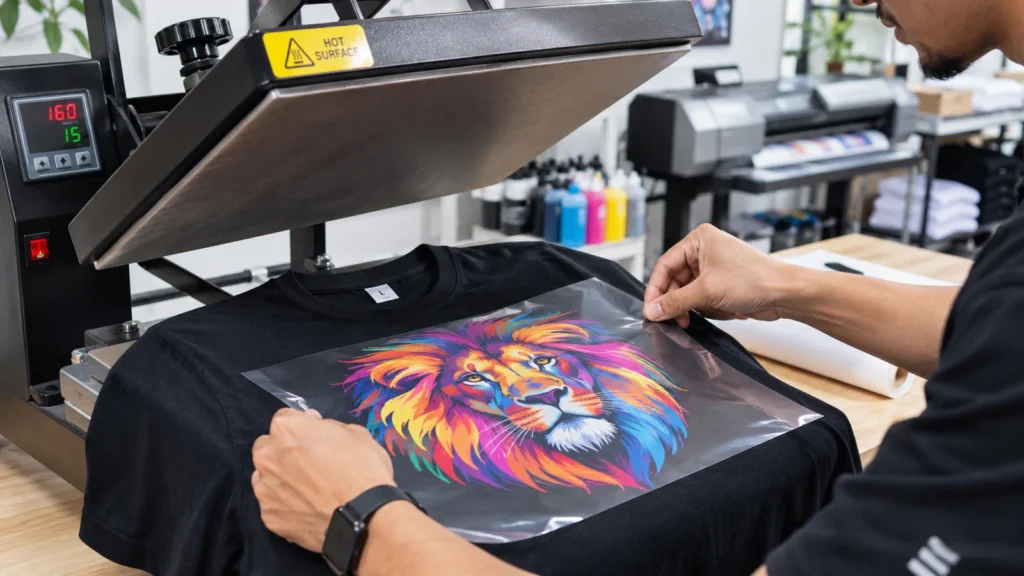
George Town Pop-Up Merch: Planning Small T-Shirt Runs Without Excess Stock
George Town Pop-Up Merch: Planning Small T-Shirt Runs Without Excess Stock is fundamentally a practical specification problem for a George Town pop-up retailer testing new graphic tees over a short sales window. A reliable purchase is a sequence of decisions: what will be used, what will be measured, what will be proved and who will approve it. The aim is to choose a result that the actual users can accept and the supplier can reproduce. Uniform Penang describes production coordinated from Selangor; confirm destination freight and an order-specific schedule rather than assuming the quoted production time includes transport.
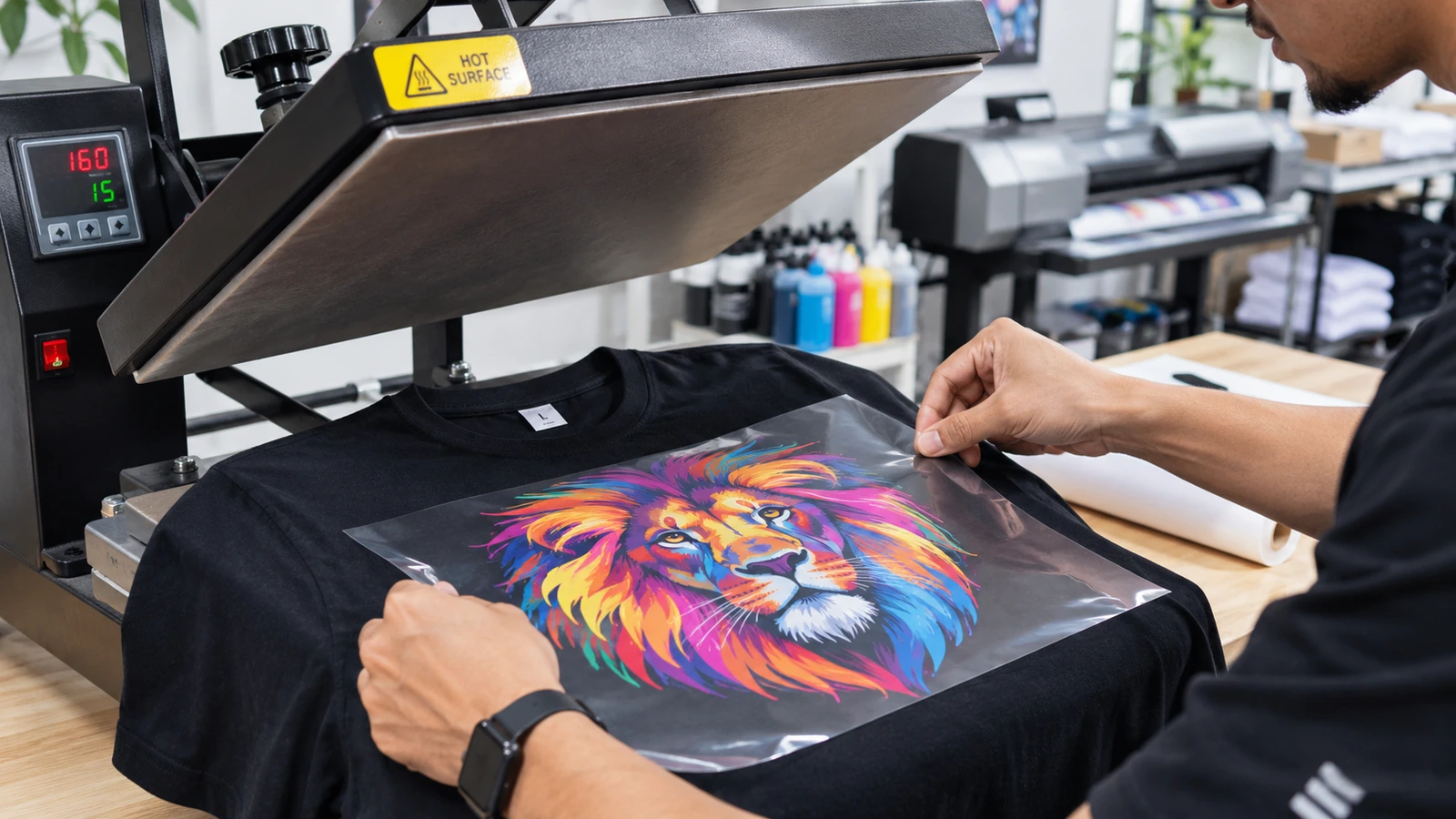
Estimate demand by design and size separately
A common gap in the initial brief is estimate demand by design and size separately. A small forecast should distinguish best-selling graphic, base colour and size rather than one total quantity. DTF transfer work depends on the transfer material, the blank garment and the pressing process. A supplier should evaluate all three together. Put the chosen requirement into a written brief and identify which part is non-negotiable.
To remove ambiguity, use previous event feedback or a preorder signal to set initial ratios. Save the answer in the final purchase record. Overordering an unpopular size can tie up the entire budget. The point of this check is to make the decision reproducible: another person should be able to read the approval and obtain the same result.
Decide how much print variety is useful
DTF supports detailed small runs, but too many near-identical variants complicate photography and fulfilment. For a George Town pop-up retailer testing new graphic tees over a short sales window, this affects both the finished appearance and the way the order can be checked after delivery. Design approval should happen at finished print size. Fine lettering and negative space can look convincing while enlarged on a monitor but fail in use. Put the chosen requirement into a written brief and identify which part is non-negotiable.
Choose a controlled core design with a limited colour experiment. Keep a dated photograph or annotated sample with the sign-off rather than relying on memory. A crowded assortment can confuse buyers at the booth. The point of this check is to make the decision reproducible: another person should be able to read the approval and obtain the same result.
Choose a blank customers will recognise
Before choosing a specification, look at the role that the item must perform. Oversized and regular-fit tees use very different chest placement and finished measurements. Dark and light blanks may need different colour or underbase decisions. Compare actual pressed samples rather than solely using digital mock-ups. This distinction is useful for both first-time orders and replacements to an existing uniform programme.
Photograph the exact garment model on a representative size. Ask an independent reviewer to compare the proof against the original requirement. Switching blanks mid-run can produce inconsistent product listings. This is especially useful for a mixed group, where the smallest garment or most demanding role may reveal issues a standard sample does not.
Test print colour on both light and dark fabric
The same artwork may need changes to maintain contrast on different shirt colours. For a George Town pop-up retailer testing new graphic tees over a short sales window, this affects both the finished appearance and the way the order can be checked after delivery. A large solid print often feels less flexible than a broken-up graphic. Consider the intended use and the wearer’s comfort before choosing coverage. Ask for the relevant material, dimensions or artwork details rather than an unsupported assurance of quality.
Approve a transfer sample on each main colour group. The same check should be used on the actual garment or print model proposed for production. A screen mock-up cannot guarantee matching visual impact. The point of this check is to make the decision reproducible: another person should be able to read the approval and obtain the same result.
Approval and order checklist
Before the final approval, ask one person who was not involved in the artwork preparation to follow the same checklist and locate the evidence for every item. For a George Town pop-up retailer testing new graphic tees over a short sales window, the final record should identify the selected product or material, the artwork version, the exact quantity by variant, and the receiving address or responsible collector. A sample is useful only if it corresponds to the version that will be made.
- Use previous event feedback or a preorder signal to set initial ratios.
- Choose a controlled core design with a limited colour experiment.
- Photograph the exact garment model on a representative size.
- Approve a transfer sample on each main colour group.
- Label storage packs by artwork version, base colour and size.
Uniform Penang describes production coordinated from Selangor; confirm destination freight and an order-specific schedule rather than assuming the quoted production time includes transport. Retain the supplier reply, signed sample images and dated item list for replacements or later batches. If a requested change affects garment sizing, decoration or packing, ask for the revised specification before approving production, rather than treating it as an informal message.
Frequently asked questions
Does DTF suit every design?
A small forecast should distinguish best-selling graphic, base colour and size rather than one total quantity. Use previous event feedback or a preorder signal to set initial ratios. Overordering an unpopular size can tie up the entire budget. Keep the final decision in the approved order so that a later team member can check it without guessing.
Why does print placement vary by shirt size?
DTF supports detailed small runs, but too many near-identical variants complicate photography and fulfilment. Choose a controlled core design with a limited colour experiment. A crowded assortment can confuse buyers at the booth. Keep the final decision in the approved order so that a later team member can check it without guessing.
What should a production sample demonstrate?
Oversized and regular-fit tees use very different chest placement and finished measurements. Photograph the exact garment model on a representative size. Switching blanks mid-run can produce inconsistent product listings. Keep the final decision in the approved order so that a later team member can check it without guessing.