
Laundry & Fabric Care
Should You Zip Zippers Before Washing?
Leaving a zipper open in the washing machine can let the teeth and slider rub, catch or snag against nearby fabric. Closing it first is a simple way to protect both the zipped garment and the other clothes in the load.
Direct answer: Yes, in most cases you should close zippers before washing. A closed zipper keeps the teeth together and reduces the chance of the zipper catching on T-shirts, sportswear, prints or delicate fabrics. After zipping, turn the garment inside out when suitable and follow its care label. Do not force a damaged or jammed zipper closed, and do not assume the same rule applies to buttons, which are usually better left unbuttoned to reduce stress on the buttonholes.
Close the Zipper
Bring the slider fully up so exposed teeth are less likely to catch on nearby clothing during the wash.
Turn It Inside Out
For suitable garments, washing inside out can reduce rubbing on the outer fabric, print and zipper surface.
Check the Care Label
Use the temperature and cycle recommended for the garment rather than relying on a general zipper rule alone.
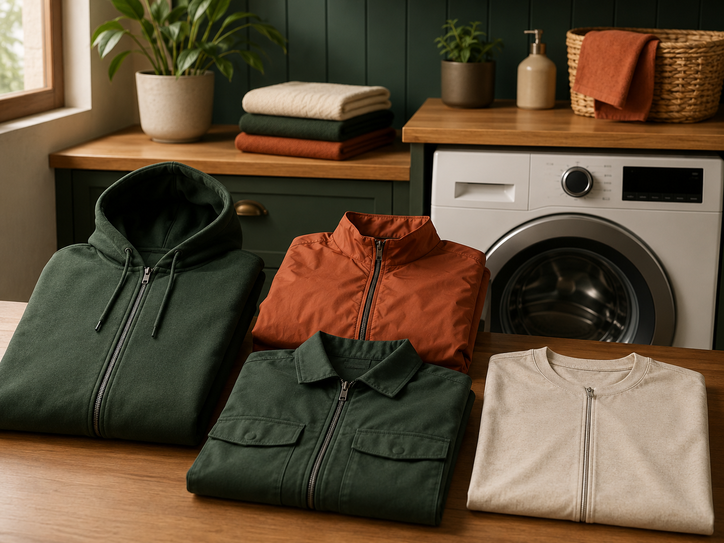
Quick comparison
What Should You Fasten Before Washing?
| Fastener or detail | Before washing | Why |
|---|---|---|
| Zippers | Close | Reduces exposed teeth and lowers snagging risk |
| Buttons | Usually unbutton | Helps reduce pulling on buttons and buttonholes |
| Hooks and clasps | Fasten or use a laundry bag | Prevents small hooks from catching other fabrics |
| Hook-and-loop fasteners | Close | Keeps the rough hook side from attaching to other garments |
| Drawstrings | Tie loosely if needed | Helps stop long cords from tangling or pulling out |
| Damaged zippers | Do not force | A jammed slider or broken teeth can worsen in the wash |
Simple rule: Close fasteners that can snag other clothes, but avoid fastening anything in a way that puts unnecessary tension on the garment.
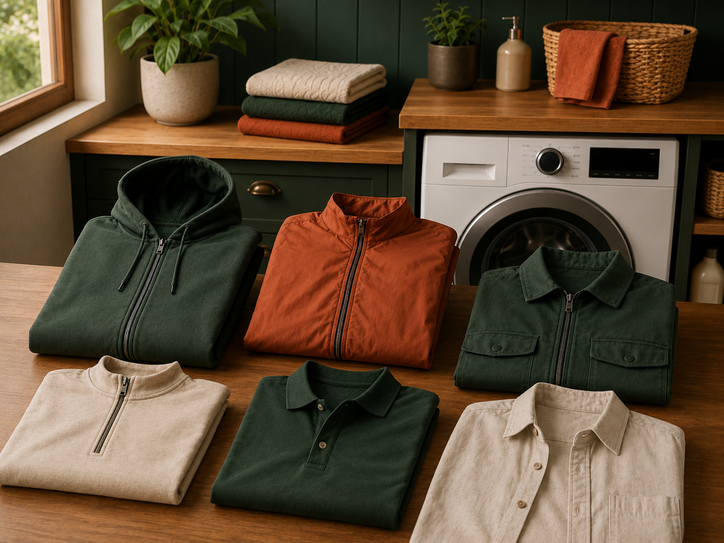
Garment types
How to Wash Different Zippered Clothes
Zip-Up Jackets
Close the main zipper before washing to keep the teeth aligned. Empty the pockets, secure any smaller pocket zips and turn the jacket inside out when the care label allows it.
Zip-Up Hoodies
Zip the hoodie before washing so the open teeth do not scrape against T-shirts or other soft garments. A gentle cycle can also reduce stretching and surface wear.
Sports Jackets and Jerseys
Close zippers and wash lightweight performance wear with similar fabrics. Avoid mixing it with rough, heavy items that may increase abrasion or snagging.
Uniforms and Work Jackets
Check all front and pocket zippers before the wash. Remove tools, clips and sharp objects from pockets, then follow the fabric and decoration care instructions.
Jeans and Zippered Pants
Close the fly zipper before washing. This helps keep the zipper teeth from rubbing against other garments while the heavier fabric moves through the drum.
Lightweight or Delicate Clothes
If a delicate item has a small zipper, close it and consider a mesh laundry bag. This gives extra protection from tangling and contact with heavier garments.
Check Pockets Before You Zip
Before closing a jacket or trouser zipper, empty every pocket. Coins, keys, pens and other hard objects can damage both the garment and the washing machine.
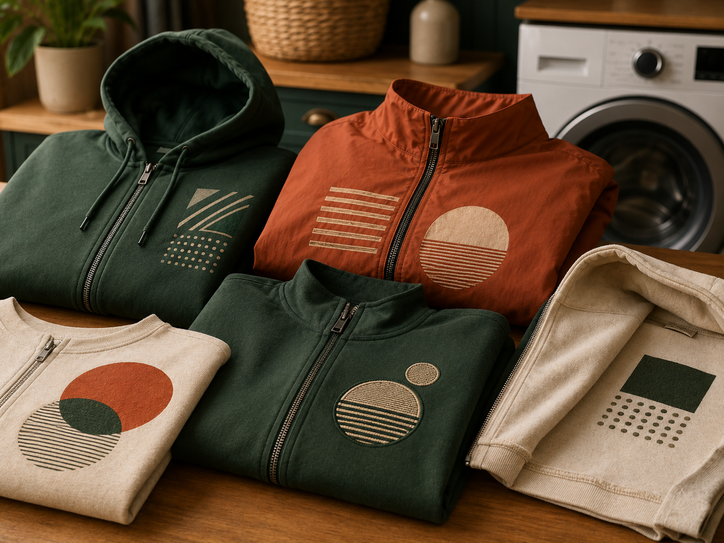
Printing and branding
Why Zippers Matter Around Printed Shirts
Silkscreen Printing
An open metal or plastic zipper can rub against a screen-printed surface during washing. Closing zippers and turning printed garments inside out helps reduce unnecessary abrasion.
DTF Transfers
DTF prints can be sensitive to repeated scraping along edges and surfaces. Keep nearby zippers closed and avoid overcrowding the washing machine with heavy hardware.
Sublimation Printing
Sublimated colour is inside the polyester fibres, but the fabric itself can still snag. Close zippers on jackets, bags or pants sharing the load with lightweight sublimated shirts.
Embroidery
Embroidery is textured and can catch against exposed zipper teeth. Closing zippers and using a mesh bag for delicate embroidered garments can reduce contact.
Separate Heavy Zippered Garments When Needed
Closing a zipper reduces snagging, but it does not make a heavy jacket suitable for every load. Keep bulky zippered workwear away from lightweight, delicate or heavily decorated shirts when possible.
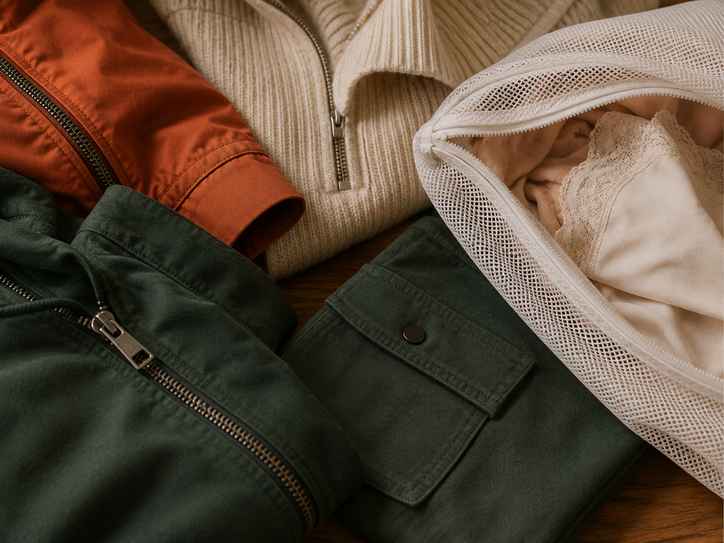
Why it matters
What Can Happen If You Leave Zippers Open?
Fabric Snags
Exposed zipper teeth can catch loops, loose threads and lightweight fabric as garments move in the drum.
Surface Scratches
Hard zipper teeth and sliders can rub against smooth fabric surfaces and printed areas during agitation.
Zipper Twisting
An open zipper has more freedom to bend and twist, which can place extra stress on the tape and slider.
Tangling
Open jackets or hoodies can wrap around smaller garments more easily, especially in an overloaded machine.
Print Abrasion
Repeated contact between a zipper and a printed T-shirt can add wear that a clothing-only load would avoid.
Delicate Damage
Lace, mesh, knit and other delicate fabrics are more vulnerable to catching on exposed teeth or hardware.
| Situation | Best practice | Extra protection |
|---|---|---|
| Metal zipper | Close fully before washing | Wash inside out when suitable |
| Plastic zipper | Close before washing | Use a gentler cycle for lightweight garments |
| Small delicate zipper | Close carefully | Place the garment in a mesh laundry bag |
| Broken or jammed zipper | Do not force it | Repair before machine washing when possible |
Remember: closing the zipper protects against exposed teeth, but sorting by fabric weight and care requirements is still important.
Step-by-step washing
How to Prepare Zippered Clothes for Washing
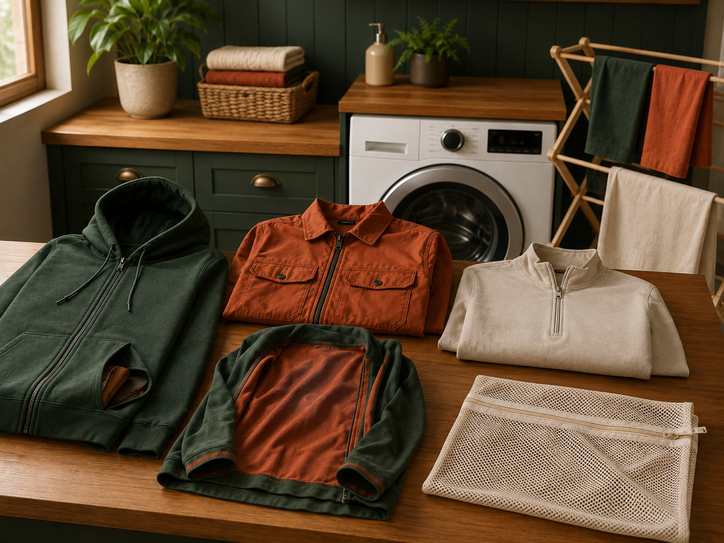
Empty Every Pocket
Remove coins, keys, receipts, pens and other objects before closing any pocket or front zipper.
Inspect the Zipper
Check for missing teeth, loose sliders or fabric caught in the zipper. Do not force a damaged zipper shut.
Zip It Closed
Close working zippers fully so the teeth remain together and are less exposed to the rest of the load.
Turn the Garment Inside Out
When the care label allows it, this can reduce rubbing on the outer surface, logos, prints and decorative details.
Sort by Weight and Fabric
Keep bulky jackets and heavy workwear away from delicate T-shirts, mesh, stretch fabric and lightweight sportswear.
Choose the Correct Cycle
Use the temperature and cycle shown on the care label, and avoid overloading the machine so garments can move freely.
Common situations
What Should You Do in Different Loads?
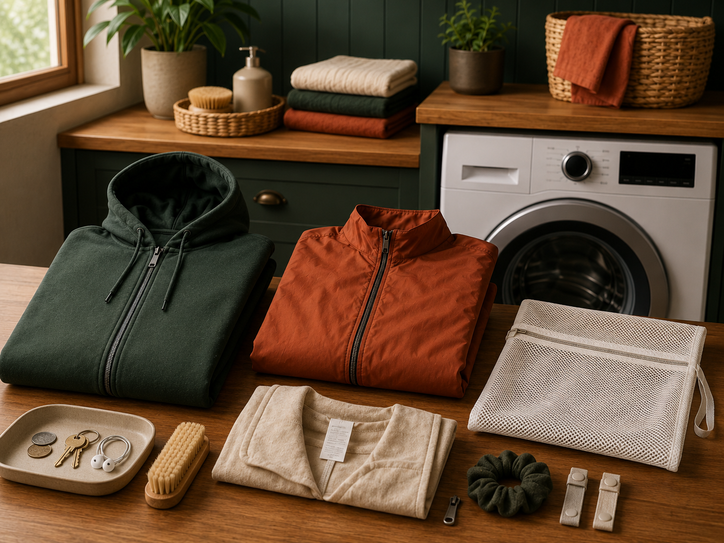
Zip Hoodie With T-Shirts
Close the hoodie zipper and turn it inside out. If the hoodie is thick or has a heavy metal zipper, consider washing it separately from lightweight printed shirts.
Track Jacket With Jerseys
Close every zipper and use a gentle cycle suitable for synthetic fabrics. Avoid rough items that can increase abrasion on performance shirts.
Work Jacket With Uniform Shirts
Fasten the jacket zipper, empty all pockets and separate it if it is much heavier or dirtier than the uniform shirts.
Zippered Delicate Garment
Close the zipper gently and use a mesh laundry bag. Wash only with compatible lightweight items and follow the care label closely.
Quick checklist
Do's and Don'ts for Zippers in the Wash
Do
- Empty pockets before closing zippers
- Zip working zippers fully closed
- Turn suitable garments inside out
- Use a mesh bag for delicate zippered items
- Sort bulky garments from lightweight shirts
- Follow the garment care label
Avoid
- Leaving sharp zipper teeth exposed
- Forcing a jammed or damaged zipper closed
- Overloading the machine with heavy garments
- Mixing rough zippered workwear with delicates
- Assuming buttons should also be fastened
- Ignoring loose threads around the zipper
Frequently asked questions
Washing Clothes With Zippers FAQ
Should zippers be open or closed in the washing machine?
They are generally better closed. Closing the zipper keeps the teeth together and reduces the chance of them catching or rubbing against other garments.
Should I zip up hoodies before washing?
Yes. Close the zipper, empty the pockets and turn the hoodie inside out when suitable. Follow the care label for temperature and cycle.
Can an open zipper damage T-shirts?
It can. Exposed teeth and the zipper slider may snag, scratch or rub against soft fabric, prints and loose threads as the load moves.
Should I button shirts before washing?
Usually no. Unlike zippers, buttons are commonly left unbuttoned so the wash does not put extra tension on the button and buttonhole.
Should I close pocket zippers too?
Yes, after checking that the pockets are empty. Small pocket zippers can also catch nearby fabric if left open.
What if the zipper is broken?
Do not force it. A broken slider, missing tooth or trapped fabric may worsen in the machine. Repairing the zipper first is the safer option when possible.
Do plastic zippers need to be closed?
Yes. Plastic teeth are less hard than many metal zippers, but closing them still helps reduce snagging and twisting during the wash.
Should zippered clothes go in a laundry bag?
Not always, but a mesh bag is useful for delicate, lightweight or small zippered garments that need extra protection from tangling and abrasion.
Choose garments that suit regular washing
Need T-Shirts for Work, Sports or Events?
Uniform Penang can help you compare cotton, polyester and blended shirts together with suitable printing methods for company uniforms, schools, sports teams, events and group orders.
Useful Uniform Penang resources
More T-Shirt Washing and Care Information
Common T-Shirt Washing Mistakes
See washing habits that can affect fabric, fit, colour and decoration.
Open article →What Temperature Should You Wash Clothes At?
Compare common wash temperatures for different clothing and fabric types.
Open article →Should You Separate Whites and Colours?
Learn when separating laundry can reduce dye transfer and dull-looking whites.
Open article →Can You Wash Towels With Clothes?
See when towels and everyday clothing can share a load and when separation is better.
Open article →How Long Should You Soak Clothes?
Learn when a short pre-soak can help and why soaking too long can cause problems.
Open article →Contact Uniform Penang
Share your fabric, colour, quantity, artwork and required date.
Go to contact →Our other company websites
Regional Apparel and Printing Support
JC Print Malaysia
Regional apparel and printing support.
Visit website →Selangor Print
Regional apparel and printing support.
Visit website →Uniform Johor
Regional apparel and printing support.
Visit website →Uniform Sabah
Regional apparel and printing support.
Visit website →Uniform Singapore
Regional apparel and printing support.
Visit website →Uniform Hub SG
Regional apparel and printing support.
Visit website →Tanah Studio
Regional apparel and printing support.
Visit website →KitaPrint
Regional apparel and printing support.
Visit website →Product ranges, stock, colours, delivery coverage and service arrangements may vary by region.