
T-Shirt Care Tips
Common T-Shirt Washing Mistakes
A good T-shirt can lose its colour, shape, softness or print faster when it is washed the wrong way. Many problems come from simple habits such as using too much detergent, choosing excessive heat, mixing colours or treating every fabric the same.
Direct answer: The most common T-shirt washing mistakes are ignoring the care label, mixing light and dark colours, using too much detergent, overloading the washing machine, washing printed shirts right-side out, using harsh bleach unnecessarily, applying excessive heat and leaving sweaty shirts damp for too long. A gentler, fabric-appropriate routine usually helps T-shirts stay presentable for longer.
Read the Label
Fabric, print and trim can all affect the correct temperature, cycle and drying method.
Use Less Stress
Avoid unnecessary heat, harsh chemicals, heavy rubbing and overloaded wash cycles.
Protect Decoration
Turn printed T-shirts inside out and avoid direct scrubbing on logos or transfers.

Quick comparison
Washing Mistakes That Can Shorten T-Shirt Life
| Common mistake | What can happen | Better approach |
|---|---|---|
| Ignoring the care label | Shrinkage, colour change or damaged decoration | Use the label as the first reference before washing |
| Mixing dark and light colours | Dye transfer and dull-looking shirts | Sort by colour, especially for new garments |
| Using too much detergent | Residue, stiffness and poor rinsing | Follow the detergent dosage for the load size |
| Overloading the machine | Poor cleaning and extra friction | Leave enough room for garments to move freely |
| Using very hot water | Shrinkage, fading or print stress | Use the temperature allowed by the care label |
| Using bleach without checking | Fibre weakening, colour loss or print damage | Use only when the garment label permits it |
| Drying with excessive heat | Shrinkage, cracking or distorted shape | Choose a lower-heat or air-dry method when suitable |
Simple rule: More detergent, hotter water and stronger chemicals do not automatically mean cleaner T-shirts. The safest routine is the one that matches the fabric, decoration and care label.
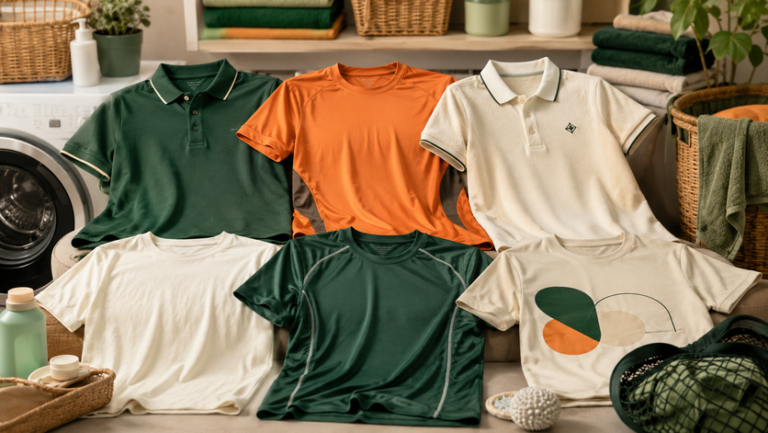
Before and during washing
Mistakes People Make Before the Wash Even Starts
Not Sorting the Laundry
Dark dyes, lint and heavily soiled garments can affect lighter shirts. Sorting by colour and washing need helps reduce unwanted transfer and keeps the load more consistent.
Leaving Stains Until Later
Food, oil, sweat and makeup can become harder to remove after drying or repeated washing. Treat visible stains with a fabric-compatible product before the wash.
Overloading the Washing Machine
A tightly packed drum can reduce water and detergent circulation. Shirts may rub against each other more aggressively while still coming out less clean.
Using Extra Detergent for Extra Cleaning
Too much detergent can leave residue, especially when the load cannot rinse properly. Follow the detergent instructions rather than guessing a larger amount.
Washing Everything on One Setting
Cotton, polyester, quick-dry fabric and decorated T-shirts may need different care. Use a shared setting only when it is suitable for every garment in the load.
Forgetting Zips and Rough Items
Open zips, hook-and-loop fasteners and rough accessories can rub or snag softer T-shirts. Separate or secure them before washing where practical.
Be Careful With Strong Cleaning Products
- Do not assume every white T-shirt is bleach-safe
- Do not pour concentrated bleach directly onto fabric
- Do not mix cleaning chemicals unless the product directions specifically allow it
- Do not scrub aggressively over printed or embroidered areas
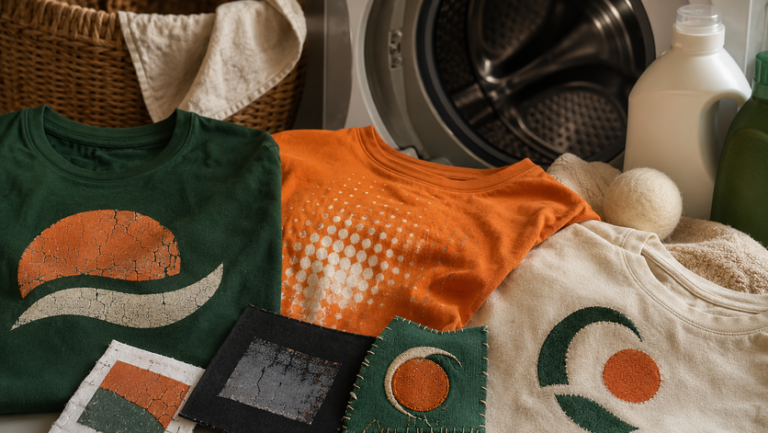
Printing and branding care
Washing Mistakes That Can Damage Printed T-Shirts
Scrubbing Directly on the Print
Repeated hard brushing can wear the ink surface faster. Turn the shirt inside out and avoid aggressive friction on the printed area.
Using Excessive Heat
High wash or drying temperatures can place unnecessary stress on transfer films and adhesives. Follow the supplier and garment care instructions.
Treating Polyester Like Heavy Cotton
Sublimation sportswear is usually polyester. Use a suitable performance-fabric routine instead of automatically choosing high heat or heavy-duty settings.
Washing With Snagging Items
Hooks, rough zips and hook-and-loop fasteners can catch embroidery threads. Secure or separate these items to protect the stitched logo.
For company uniforms: Give staff one simple care note for the garment and branding method. Consistent washing helps uniforms age more evenly across the team.

Fabric, colour and drying
Mistakes That Affect Different T-Shirt Fabrics
Too Much Heat Can Change the Fit
Cotton T-shirts can be sensitive to excessive washing or drying heat. Follow the care label to reduce unnecessary shrinkage and distortion.
Letting Sweat Sit Too Long
Performance shirts can hold odour when damp garments remain packed in a bag. Air them out and wash them as soon as practical after sports or outdoor work.
Assuming All Blends Behave the Same
Blended fabrics vary by fibre ratio and finish. Use the garment label instead of choosing a setting based only on the word “blend”.
Repeated High Heat and Harsh Washing
Strong heat and aggressive washing can make colour loss more noticeable over time. Wash dark shirts with similar colours and use a suitable cycle.
Using Bleach as a Routine Shortcut
Bleach is not needed for every wash and is not suitable for every white garment. Check the care symbol before using any whitening chemical.
Drying Before Checking Stains
Heat can make some stains harder to remove. Inspect the shirt after washing and repeat stain treatment when necessary before high-heat drying.
Fabric matters: A washing method that works well for a plain cotton tee may not be ideal for a lightweight quick-dry shirt, oversized heavyweight tee or printed event shirt.

Better washing routine
A Simple Routine That Avoids Most Washing Mistakes
Check the Care Label
Confirm the allowed water temperature, wash cycle, bleaching and drying instructions before choosing a setting.
Sort the Load
Separate light and dark colours, and keep delicate or printed shirts away from rough items where practical.
Pre-Treat Stains
Handle visible stains before washing instead of using an unnecessarily harsh cycle for the entire garment.
Turn Decorated Shirts Inside Out
This helps reduce direct rubbing on silkscreen, DTF and other surface decorations during the wash.
Use the Right Amount of Detergent
Follow the product dosage and avoid packing the washing machine too tightly.
Dry According to the Label
Check that stains are gone before applying heat and choose a drying method that suits the fabric and print.
Common situations
Washing Mistakes in Everyday T-Shirt Use
Mixing Uniforms With Heavy Workwear
Rough or heavily soiled garments can increase friction and transfer dirt. Separate them when the wash requirements are very different.
Leaving Damp Shirts in a Bag
Sweaty quick-dry shirts should not stay sealed and damp longer than necessary. Air them out and wash them promptly.
Using High Heat on a New Print
Follow the printing supplier's care instructions, especially for transfers. Avoid assuming every decorated shirt can handle the same dryer setting.
Using One Routine for Every Garment
Different colours, fabrics and decorations may need different loads. Group shirts by similar care requirements before washing.

Quick checklist
T-Shirt Washing Do's and Don'ts
Do
- Read the care label first
- Sort similar colours together
- Pre-treat visible stains
- Turn printed T-shirts inside out
- Measure detergent correctly
- Check stains before drying
Avoid
- Overloading the washing machine
- Using very hot water automatically
- Pouring bleach directly on shirts
- Scrubbing logos aggressively
- Using excessive dryer heat
- Leaving sweaty shirts damp for too long
Frequently asked questions
T-Shirt Washing Mistakes FAQ
Is using more detergent better for dirty T-shirts?
No. Too much detergent can leave residue when the load does not rinse properly. Follow the detergent instructions for the load size and soil level.
Should I wash every T-shirt in cold water?
Not necessarily. The correct temperature depends on the garment care label, fabric and decoration. Use the label rather than one temperature for every shirt.
Why should printed T-shirts be turned inside out?
Turning the shirt inside out reduces direct rubbing between the print, washing drum and other garments, which can help reduce surface wear.
Can I use bleach on all white T-shirts?
No. Some white garments contain fibres, trims, threads or prints that are not compatible with chlorine bleach. Check the care label first.
Does a hotter wash always clean better?
No. Excessive heat can cause shrinkage, fading or decoration damage. Choose the temperature recommended for the garment.
Why do T-shirts still smell after washing?
Possible causes include leaving sweaty shirts damp for too long, overloading the machine, using too much detergent or not washing promptly after heavy use.
Can fabric softener be used on quick-dry shirts?
Check the garment and product instructions. Some performance fabrics may be affected by residue from certain softeners, so follow the manufacturer's care advice.
What is the biggest drying mistake?
Using more heat than the garment needs is a common mistake. High heat can affect fit, fabric and printed decoration, and it can set some remaining stains.
Choose shirts that suit real use
Need T-Shirts for Your Team or Event?
Uniform Penang can help you compare fabrics, sizes and printing methods for company uniforms, schools, sports teams, events and group orders.
Useful Uniform Penang resources
More T-Shirt Care and Printing Information
How to Wash White T-Shirts
Use a simple routine to reduce dullness, staining and colour transfer.
Open article →Can You Use Bleach on T-Shirts?
Learn when bleach may be suitable and when it may damage a garment.
Open article →DTF Printing
Explore colourful logo printing for company and event T-shirts.
Explore DTF →Silkscreen Printing
Compare a popular method for repeated logos and group orders.
Explore silkscreen →Sublimation Printing
See how designs can be integrated into polyester sportswear.
Explore sublimation →Contact Uniform Penang
Share your fabric, colour, quantity, artwork and required date.
Go to contact →Our other company websites
Regional Apparel and Printing Support
JC Print Malaysia
Regional apparel and printing support.
Visit website →Selangor Print
Regional apparel and printing support.
Visit website →Uniform Johor
Regional apparel and printing support.
Visit website →Uniform Sabah
Regional apparel and printing support.
Visit website →Uniform Singapore
Regional apparel and printing support.
Visit website →Uniform Hub SG
Regional apparel and printing support.
Visit website →Tanah Studio
Regional apparel and printing support.
Visit website →KitaPrint
Regional apparel and printing support.
Visit website →Product ranges, stock, colours, delivery coverage and service arrangements may vary by region.