
Laundry & Fabric Care
What Temperature Should You Wash Clothes At?
The right washing temperature depends on the fabric, colour, decoration and how dirty the clothing is. Using more heat than necessary can increase fading, shrinkage and wear, while water that is too cool may not be ideal for some heavily soiled loads.
Direct answer: Always start with the garment care label. For many everyday T-shirts, polos and coloured clothes, 30°C is a practical starting point when the label allows it. 20–30°C is useful for dark colours, bright colours and many printed shirts because it is gentler on colour and decoration. 40°C may be suitable for more heavily worn cotton or blended garments when the care label permits it. 60°C should be reserved for items that specifically allow a hotter wash and where extra hygiene is needed; many T-shirts, prints and performance fabrics should not be washed that hot.
Check the Label First
The care label gives the maximum recommended wash temperature for that garment.
Use Less Heat When Possible
Cooler washing can help reduce colour loss, shrinkage and stress on printed areas.
Match Heat to the Load
Choose temperature based on fabric, colour, soil level and any printing or embroidery.
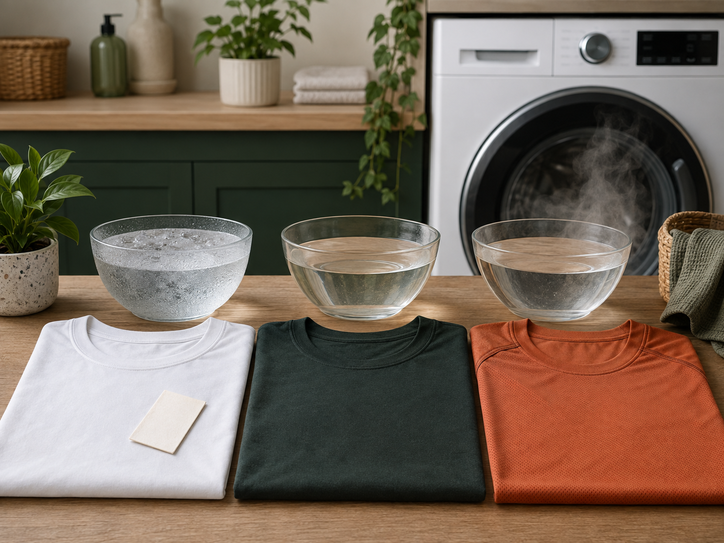
Quick comparison
20°C, 30°C, 40°C or 60°C: Which Should You Use?
| Temperature | Often suitable for | What to consider |
|---|---|---|
| 20°C / cold | Lightly worn darks, bright colours, delicate-looking prints | Gentle on colour and fabric, but stains may need pre-treatment |
| 30°C | Most everyday T-shirts, polos, quick-dry shirts and mixed casual wear | A practical default when the care label permits it |
| 40°C | More heavily worn cotton or blends, some whites and work clothing | Use only when the fabric and decoration are rated for it |
| 60°C | Selected towels, bedding or hygiene-sensitive items | Too hot for many T-shirts, transfers and performance fabrics; check the label |
Simple rule: If two temperatures will clean the load adequately, choose the lower one that still matches the care label and detergent instructions.
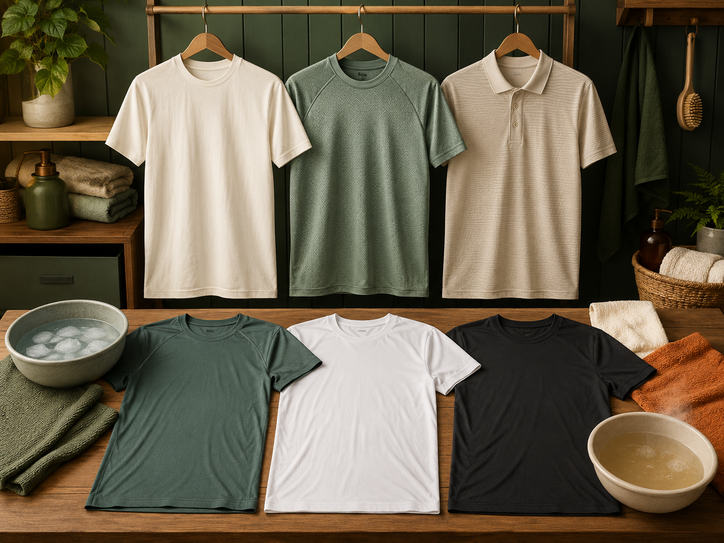
Fabric and garment types
Best Washing Temperature by Clothing Type
Cotton T-Shirts
Many cotton T-shirts can be washed at 30°C, while some tolerate 40°C. Higher heat can increase the chance of shrinkage, especially if the shirt has not been pre-shrunk or if it is later tumble-dried on high heat.
Polyester Sports Shirts
Cool or 30°C washing is commonly suitable for polyester performance shirts. Excess heat can affect finishes, printed decorations and garment shape, so avoid hotter settings unless the label clearly allows them.
Cotton-Polyester Blends
Blended T-shirts often handle everyday washing well at around 30°C. Check the care label because the safest temperature depends on the exact fibre mix, dye, construction and decoration.
White T-Shirts
White does not automatically mean hot wash. Use the label as the limit, pre-treat visible stains and separate whites from colours. Some white cotton garments may allow 40°C, while printed whites may need cooler care.
Black and Dark T-Shirts
Cool or 30°C washing can help reduce visible fading. Turn garments inside out, use a suitable detergent and avoid unnecessary heat when the shirt is only lightly worn.
Heavily Worn Work Shirts
If sweat, grease or dirt is heavier, pre-treatment and a suitable detergent may matter more than simply increasing the temperature. Use 40°C only when the garment and branding can safely tolerate it.
The Care Label Sets the Limit
A wash-tub symbol with a number such as 30 or 40 indicates the maximum washing temperature in degrees Celsius. Choosing a lower temperature is often possible, but exceeding the label temperature can damage the garment.
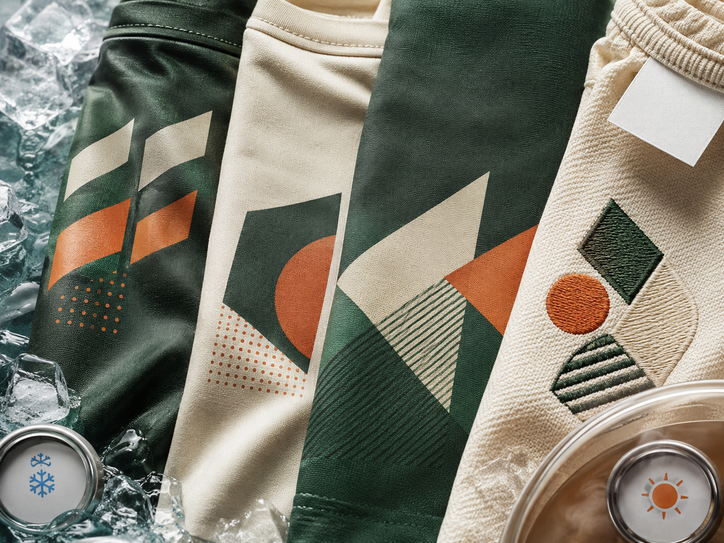
Printing and branding
What Temperature Is Best for Printed Shirts?
Silkscreen Printing
Cool or 30°C washing is a sensible starting point for many screen-printed T-shirts. Turn the shirt inside out and avoid unnecessary heat to reduce surface wear and cracking over time.
DTF Transfers
DTF transfers generally benefit from cooler washing. Use a gentle cycle where appropriate, turn the shirt inside out and avoid high-temperature washing unless the printer's care instructions specifically allow it.
Sublimation Printing
Sublimated polyester sportswear is commonly washed cool or at 30°C. The print is dyed into the polyester, but excessive heat can still affect the garment, elastic components or performance finishes.
Embroidery
Choose the temperature based mainly on the base garment. Embroidery thread may tolerate washing well, but high heat can still shrink cotton fabric, affect stabilisers or cause colour changes in some threads.
Do Not Use the Hottest Setting Just Because the Shirt Is Dirty
Pre-treat stains first. High heat can set some stains, fade colours, shrink natural fibres and shorten the life of heat-applied graphics. Follow both the garment label and the printer's care instructions.
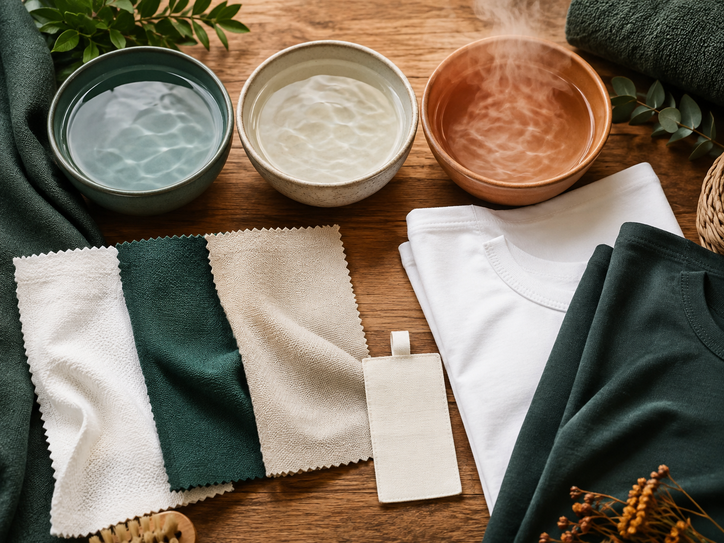
Why temperature matters
How Wash Temperature Affects Clothes
Shrinkage
Natural fibres such as cotton can shrink when exposed to heat and agitation, especially when followed by high-temperature tumble drying.
Colour Fading
Repeated hot washing may speed up visible fading in dark or bright garments compared with a cooler cycle.
Dye Transfer
Warm water can encourage dye movement in some garments, so new dark or strongly coloured shirts should still be separated from whites.
Print Wear
Heat, friction and repeated washing can stress surface prints and transfers. Cooler temperatures are generally kinder to decorated shirts.
Stain Removal
Some oily or heavily soiled loads respond to warmer water, but stain treatment should always match the fabric and stain type.
Fabric Performance
Technical finishes, elastic fibres and quick-dry garments can be sensitive to excessive heat, so follow the manufacturer's care instructions.
| Celsius | Fahrenheit | Common description |
|---|---|---|
| 20°C | 68°F | Cold / very cool wash |
| 30°C | 86°F | Cool wash |
| 40°C | 104°F | Warm wash |
| 60°C | 140°F | Hot wash |
For everyday shirts: 30°C is often the most useful temperature to check first, but the garment label always takes priority.
Step-by-step washing
How to Choose the Right Washing Temperature
Read the Care Label
Find the wash-tub symbol and maximum temperature before choosing a machine setting.
Sort by Colour and Fabric
Separate whites, darks and strongly coloured garments, then keep delicate or lightweight shirts away from rough, heavy items.
Check How Dirty the Clothes Are
Lightly worn shirts usually need less aggressive washing than greasy workwear, muddy sportswear or clothing with visible stains.
Pre-Treat Stains
Deal with deodorant, grease, food or mud before the main wash instead of relying on a hotter cycle to remove everything.
Choose the Lowest Suitable Temperature
For many everyday T-shirts, 30°C is a good place to start when allowed. Move to 40°C only when the garment, soil level and care instructions justify it.
Dry According to the Label
Washing temperature is only half the story. High dryer heat can also shrink shirts, damage prints and affect performance fabrics.
Common situations
What Temperature Should You Use in Everyday Situations?
Daily Polo Shirts
For lightly worn cotton, polyester or blended polos, 30°C is often suitable when the care label allows it. Wash similar colours together and turn decorated shirts inside out.
Sweaty Quick-Dry Shirts
Use cool or 30°C water with a detergent suitable for sportswear. Avoid fabric softener when the manufacturer advises against it, as it can affect moisture-management finishes.
White Shirt With Food Stains
Pre-treat the stain first. Use 30°C or 40°C depending on the care label rather than jumping straight to a hot wash.
New Printed Event T-Shirts
Wash inside out at a cool temperature, often around 30°C, and keep strong colours separate during the first few washes to protect both the print and surrounding laundry.

Quick checklist
Do's and Don'ts for Wash Temperature
Do
- Read the care label before selecting a temperature
- Use 20–30°C for many dark, bright and printed shirts
- Pre-treat visible stains before washing
- Separate whites from dark or new coloured garments
- Turn printed and decorated shirts inside out
- Choose the lowest temperature that suits the load
Avoid
- Assuming hotter water always cleans better
- Washing every T-shirt at 60°C
- Ignoring printing or embroidery care instructions
- Using high heat on quick-dry garments without checking the label
- Mixing new dark shirts with white clothing
- Using high dryer heat after a gentle wash
Frequently asked questions
Washing Temperature FAQ
Is 30°C warm or cold?
30°C is generally considered a cool wash. It is commonly suitable for everyday clothing when the garment care label allows it.
Is 40°C too hot for T-shirts?
Not always. Some cotton and blended T-shirts allow 40°C, but others—especially printed, dark or performance shirts—may be better at 30°C. Check the care label first.
Can I wash everything at 30°C?
No single temperature suits every garment. Delicates, heavily soiled items, hygiene-sensitive laundry and certain fabrics may need different care.
Does washing at 60°C shrink clothes?
It can increase shrinkage risk in some fibres, particularly cotton, and may damage prints or performance fabrics. Only use 60°C when the care label permits it.
What temperature should I wash black clothes at?
Cool or 30°C is often a good choice for black clothing because lower heat can help reduce visible fading. Always follow the garment label.
What temperature should I wash white T-shirts at?
Many whites can be washed at 30°C, while some cotton whites allow 40°C or higher. The correct choice depends on the fabric, decoration, stain level and care label.
What temperature is best for polyester sports shirts?
Cool or 30°C is commonly suitable for polyester sportswear. Avoid high heat unless the manufacturer specifically allows it.
Can hot water damage printed shirts?
Yes. Excessive heat can contribute to cracking, lifting, fading or premature wear in some printing methods. Follow the printer's care instructions and use a cooler cycle when appropriate.
Choose shirts that suit repeated washing
Need T-Shirts for Work, Sports or Events?
Uniform Penang can help you compare cotton, polyester and blended shirts together with suitable printing methods for company uniforms, schools, sports teams, events and group orders.
Useful Uniform Penang resources
More T-Shirt Washing and Care Information
How to Wash White T-Shirts
Use a simple routine to help keep white shirts looking cleaner and brighter.
Open article →Common T-Shirt Washing Mistakes
See washing habits that can affect fabric, fit, colour and decoration.
Open article →Why Do Clothes Shrink After Washing?
Understand how fibre type, heat and agitation can change garment size.
Open article →Should You Separate Whites and Colours?
Learn when separating laundry can reduce dye transfer and dull-looking whites.
Open article →Why Do Clothes Smell After Washing?
Find common reasons musty or sweaty smells remain after a wash.
Open article →Contact Uniform Penang
Share your fabric, colour, quantity, artwork and required date.
Go to contact →Our other company websites
Regional Apparel and Printing Support
JC Print Malaysia
Regional apparel and printing support.
Visit website →Selangor Print
Regional apparel and printing support.
Visit website →Uniform Johor
Regional apparel and printing support.
Visit website →Uniform Sabah
Regional apparel and printing support.
Visit website →Uniform Singapore
Regional apparel and printing support.
Visit website →Uniform Hub SG
Regional apparel and printing support.
Visit website →Tanah Studio
Regional apparel and printing support.
Visit website →KitaPrint
Regional apparel and printing support.
Visit website →Product ranges, stock, colours, delivery coverage and service arrangements may vary by region.