
Laundry & Fabric Care
How Long Should You Soak Clothes?
Soaking can loosen sweat, dirt and some stains before washing, but leaving clothes in water for too long can encourage colour bleeding, weaken some fibres or leave garments smelling musty. The best soaking time depends on the fabric, colour, stain and product you are using.
Direct answer: For many washable everyday clothes, a 15–30 minute soak is usually enough to loosen ordinary dirt. Heavier sweat or grime may benefit from around 30–60 minutes. Stubborn stains can sometimes be soaked for 1–2 hours if the care label, fabric and stain-treatment product allow it. Avoid making overnight soaking your normal routine, especially for dark colours, printed shirts, delicate fabrics or garments with elastic. Always follow the care label and the instructions on detergent, stain remover or bleach products.
Start Short
Begin with 15–30 minutes for ordinary washable T-shirts and extend only when needed.
Check the Fabric
Cotton, polyester, dark colours, prints and delicate fabrics do not all tolerate soaking equally well.
Do Not Forget the Load
Leaving wet clothes for many hours can cause dye transfer, odour or unnecessary fabric stress.
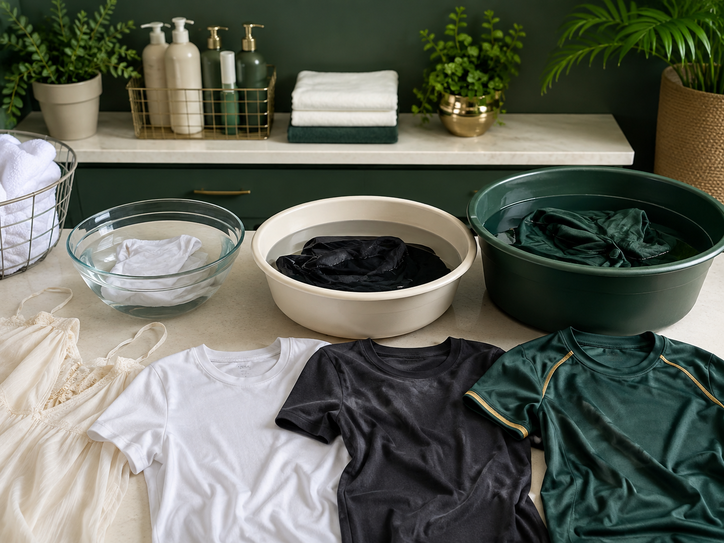
Quick comparison
How Long Should Different Clothes Soak?
| Situation | Practical starting time | What to consider |
|---|---|---|
| Light everyday dirt | 15–30 minutes | Usually enough for ordinary washable shirts before a normal wash |
| Sweat and body odour | 30–60 minutes | Use suitable detergent and avoid leaving damp sportswear for hours |
| Stubborn washable stains | Up to 1–2 hours | Only when the fabric, colour and stain-removal product permit it |
| Dark or bright colours | Keep it short | Long soaking can increase the risk of dye bleeding or fading |
| Printed or decorated shirts | Short soak or avoid | Follow the printer's care instructions and do not soak unnecessarily |
| Delicate fabrics | Only if label permits | Some garments should not be soaked at all |
Simple rule: Soak only as long as needed. A shorter controlled soak is usually better than leaving clothes submerged for hours without checking them.
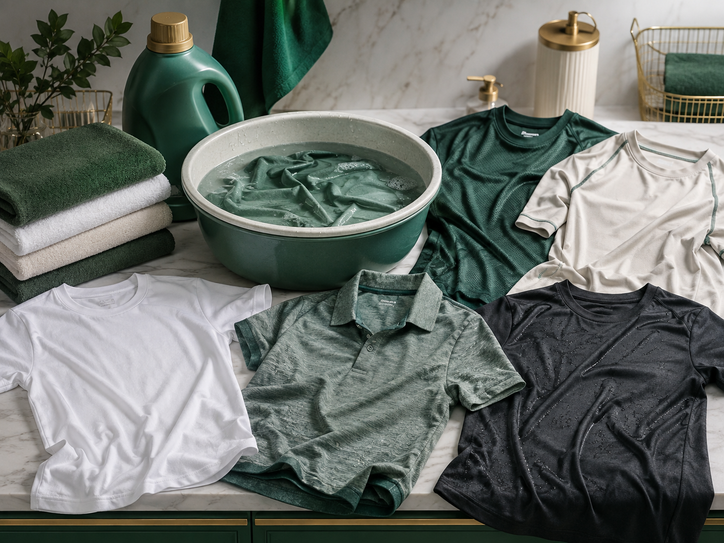
Fabric and garment types
How Soaking Time Changes by Fabric
Cotton T-Shirts
Cotton can usually handle a short pre-soak well, making 15–30 minutes a useful starting point. Long soaking is rarely necessary and may encourage colour loss in dyed cotton.
Polyester Sports Shirts
Polyester dries quickly but can hold body oils and odour. A 20–30 minute soak with suitable detergent may help, but avoid very hot water and prolonged soaking unless the care label allows it.
Cotton-Polyester Blends
Blended shirts generally suit short soaking. Treat them according to the more sensitive component, especially when the garment also contains elastane or a heat-applied print.
Black and Dark T-Shirts
Keep soaking brief because dark dyes may bleed or fade. Use cool water, soak with similar colours and check new garments carefully during their first few washes.
White T-Shirts
White shirts can often be pre-soaked for 30–60 minutes when visibly soiled. Use a detergent or oxygen-based stain product that is suitable for the fabric and follow its directions.
Shirts With Elastane
Stretch fibres can be more sensitive to heat, strong chemicals and prolonged soaking. Use mild conditions and avoid leaving the garment submerged longer than necessary.
The Care Label Comes First
If the garment is labelled hand wash only, dry clean only or has special care instructions, follow those directions instead of using a general soaking routine.
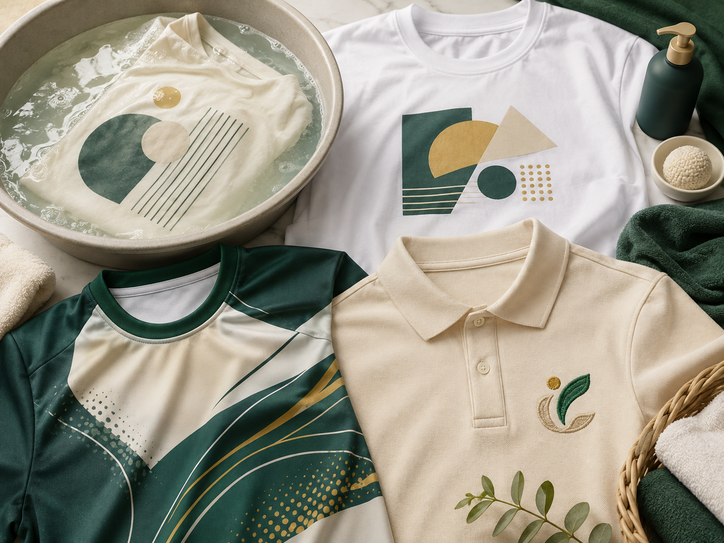
Printing and branding
Should You Soak Printed or Embroidered Shirts?
Silkscreen Printing
A short soak may be acceptable for many screen-printed shirts, but avoid prolonged soaking, strong chemicals and aggressive rubbing over the printed area.
DTF Transfers
Keep soaking to a minimum. Extended contact with water, detergent or stain removers may place extra stress on the adhesive and transfer edges over time.
Sublimation Printing
The colour is dyed into polyester rather than sitting on the surface, but the garment itself still needs gentle care. Short soaking in cool water is usually preferable to a long soak.
Embroidery
Embroidery can handle normal washing well, but prolonged soaking may affect colourfastness, backing material or the base fabric. Treat stains around embroidery rather than soaking for hours.
Be Careful With Bleach and Strong Stain Removers
Do not add chlorine bleach or concentrated stain remover to a soaking bucket unless the garment and product instructions specifically allow it. Strong chemicals can fade fabric, weaken fibres and damage prints.
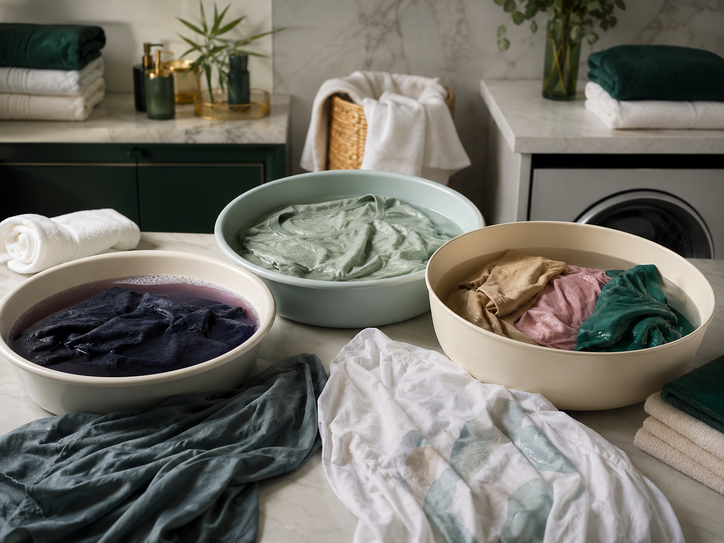
Why soaking time matters
What Happens If Clothes Soak Too Long?
Colour Bleeding
Dye can move from dark or strongly coloured garments into the soaking water and onto lighter clothing.
Musty Odour
Clothes left wet for many hours can develop an unpleasant smell, especially in warm and humid conditions.
Fabric Stress
Long exposure to water, detergent or chemicals can weaken some fibres, elastic components and garment finishes.
Print Wear
Extended soaking can put unnecessary stress on surface prints, transfer edges and adhesives.
Stain Spreading
Some dyes, grease or dirt can move through the water instead of disappearing, especially when garments are soaked together.
Residue
Too much detergent in a soaking solution can leave residue that is difficult to rinse from the fabric.
| Soaking method | Best practice | Avoid |
|---|---|---|
| Plain water | Use cool or lukewarm water as allowed by the label | Very hot water for unknown fabrics |
| Detergent soak | Dilute detergent fully before adding clothes | Pouring concentrated detergent directly onto fabric |
| Stain remover | Follow the exact product contact time | Leaving it on longer because the stain is stubborn |
| Mixed colours | Soak similar colours together | Dark and white garments in the same bucket |
For most T-shirts: start with a short soak, check the stain or odour, then wash normally instead of automatically extending the soak.
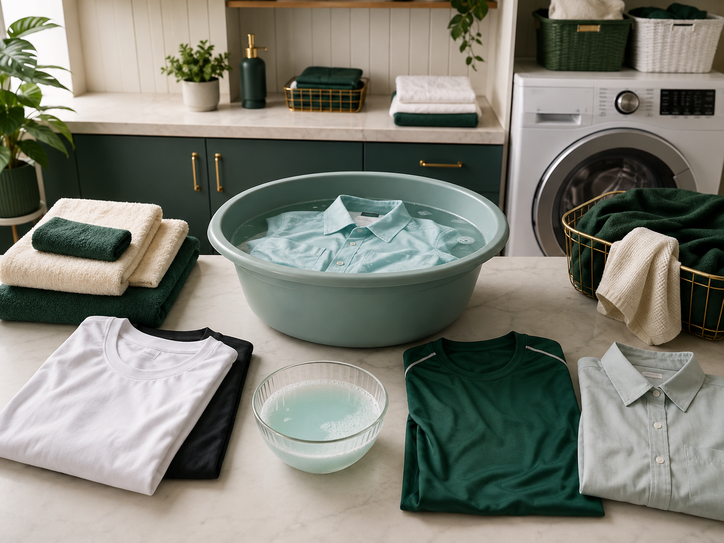
Step-by-step soaking
How to Soak Clothes Without Damaging Them
Check the Care Label
Confirm that the garment is washable and that soaking is not restricted.
Sort the Clothes
Keep whites, dark colours, new garments and delicate items separate to reduce dye transfer and fabric damage.
Use the Right Water Temperature
Cool or lukewarm water is a safe starting point for many T-shirts. Use hotter water only when the care label and treatment instructions permit it.
Dilute the Product First
Mix detergent or stain remover into the water according to its directions instead of applying an excessive concentration to one area.
Set a Timer
Start with 15–30 minutes and check the garment. Extend the soak only when the fabric and treatment allow it.
Wash and Dry Promptly
After soaking, rinse or wash as directed and do not leave wet clothes sitting in a bucket or washing machine for hours.
Common situations
How Long to Soak Clothes in Everyday Situations
Sweaty Quick-Dry Shirts
Try a 20–30 minute soak in cool water with a suitable detergent, then wash promptly. Do not leave sweaty polyester soaking overnight.
Shirts With Heavy Dirt
Use 30–60 minutes as a starting point, then pre-treat any remaining grease or soil rather than simply increasing the soaking time.
Dull or Yellowed Whites
A 30–60 minute soak with a fabric-safe oxygen-based product may help when its instructions allow it. Avoid mixing whites with coloured garments.
New Printed T-Shirts
Avoid long soaking. If a pre-soak is needed, keep it short, use cool water and follow the printer's washing instructions.
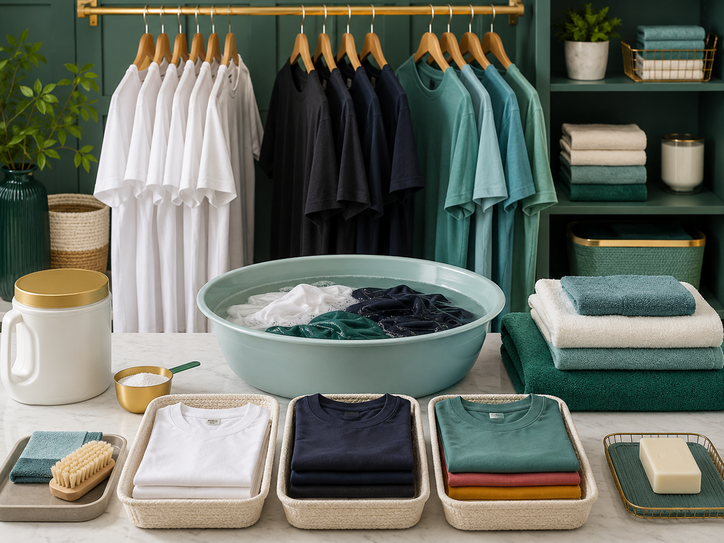
Quick checklist
Do's and Don'ts for Soaking Clothes
Do
- Check the garment care label first
- Start with a short 15–30 minute soak
- Sort whites, darks and new coloured clothes
- Dilute detergent or stain remover properly
- Use a timer so clothes are not forgotten
- Wash or rinse the garments promptly afterwards
Avoid
- Soaking every load overnight
- Mixing dark colours with white clothing
- Using strong bleach without checking instructions
- Leaving printed shirts submerged for hours
- Using very hot water on unknown fabrics
- Leaving wet clothes sitting after the soak
Frequently asked questions
Clothes Soaking FAQ
Is 30 minutes long enough to soak clothes?
For many everyday T-shirts and lightly soiled garments, 15–30 minutes is often enough to loosen dirt before washing.
Can I soak clothes for two hours?
Sometimes, especially for stubborn washable stains, but only when the fabric, colour and treatment product allow it. Check the garment regularly.
Is it okay to soak clothes overnight?
It is generally better not to make overnight soaking a routine. Long soaking can encourage colour bleeding, odour and unnecessary stress on fibres or prints.
How long should I soak white clothes?
About 30–60 minutes is a useful starting range for many washable white garments, depending on the detergent or stain-removal product being used.
How long should I soak sweaty sportswear?
A short 20–30 minute soak is often enough before washing. Avoid leaving damp polyester sportswear soaking for many hours.
Can I soak black clothes?
Yes, but keep the soak short, use cool water and soak with similar dark colours because prolonged soaking can increase dye loss.
Should I soak printed T-shirts?
Only when necessary. Short soaking is safer than prolonged soaking for most printed shirts, and the printer's care instructions should take priority.
Does soaking remove every stain?
No. Grease, deodorant, ink, blood and other stains may need a specific pre-treatment rather than a longer soak.
Choose shirts that suit regular washing
Need T-Shirts for Work, Sports or Events?
Uniform Penang can help you compare cotton, polyester and blended shirts together with suitable printing methods for company uniforms, schools, sports teams, events and group orders.
Useful Uniform Penang resources
More T-Shirt Washing and Care Information
What Temperature Should You Wash Clothes At?
Compare 20°C, 30°C, 40°C and 60°C for different clothes and fabrics.
Open article →Common T-Shirt Washing Mistakes
See habits that can affect fabric, fit, colour and decoration.
Open article →How to Wash White T-Shirts
Use a simple routine to help keep white shirts looking cleaner and brighter.
Open article →Should You Separate Whites and Colours?
Learn when separating laundry can reduce dye transfer and dull-looking whites.
Open article →Why Do Clothes Smell After Washing?
Find common reasons musty or sweaty smells remain after washing.
Open article →Contact Uniform Penang
Share your fabric, colour, quantity, artwork and required date.
Go to contact →Our other company websites
Regional Apparel and Printing Support
JC Print Malaysia
Regional apparel and printing support.
Visit website →Selangor Print
Regional apparel and printing support.
Visit website →Uniform Johor
Regional apparel and printing support.
Visit website →Uniform Sabah
Regional apparel and printing support.
Visit website →Uniform Singapore
Regional apparel and printing support.
Visit website →Uniform Hub SG
Regional apparel and printing support.
Visit website →Tanah Studio
Regional apparel and printing support.
Visit website →KitaPrint
Regional apparel and printing support.
Visit website →Product ranges, stock, colours, delivery coverage and service arrangements may vary by region.