
Laundry & Fabric Care
How Much Detergent Should You Use
Using more detergent does not automatically make clothes cleaner. The right amount depends on the detergent concentration, load size, soil level, water hardness and washing machine, so the product dosing instructions should always be your starting point.
Direct answer: Use the recommended dose on your detergent label for the size and condition of your load. Use a lower listed dose for a small or lightly soiled load, and the higher listed dose only when the label recommends it for larger, dirtier loads or harder water. Do not guess by filling the detergent drawer or cap. Too much detergent can leave residue, trap odours and make rinsing harder, while too little may not remove enough soil.
Read the Dose
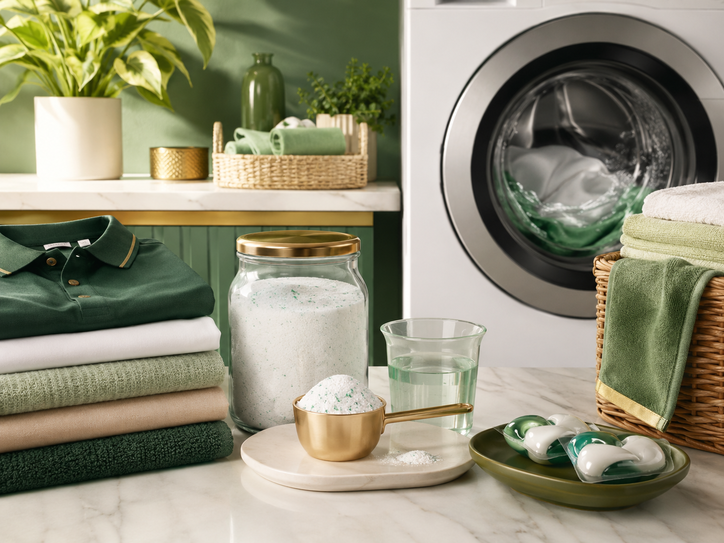
Liquid, powder, concentrated detergent and pods are not measured the same way. Follow the instructions for the exact product you use.
Judge the Load
Consider how full the machine is and how dirty the clothing is instead of using the same amount for every wash.
Avoid Overdosing
Extra detergent can create excess suds or residue and may make clothes feel stiff, dull or not fully rinsed.
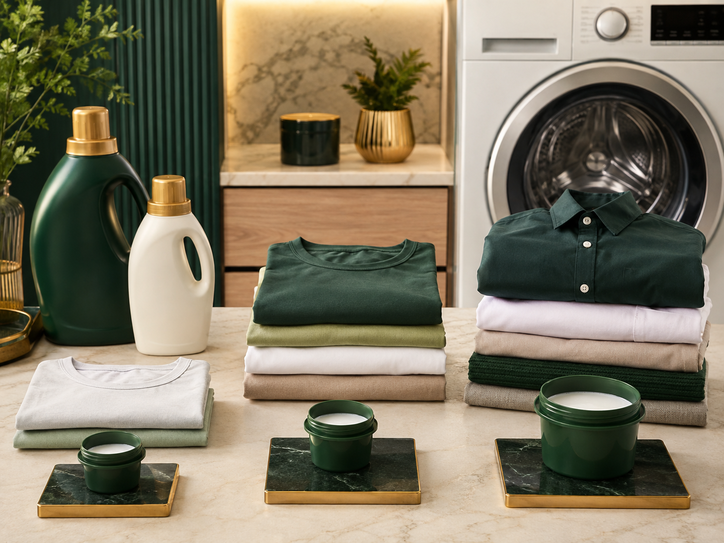
Quick comparison
When Should You Use More or Less Detergent?
| Wash situation | Typical approach | Why |
|---|---|---|
| Small, lightly soiled load | Use the lower label dose | There is less fabric and soil to clean |
| Normal everyday load | Use the standard label dose | Designed for ordinary household washing |
| Large or heavily soiled load | Use the higher label dose if specified | More soil and fabric may need more cleaning power |
| Hard water | Follow the hard-water dose on the pack | Minerals can reduce detergent performance |
| High-efficiency machine | Use HE-compatible detergent and its stated dose | These machines use less water and need low-sudsing formulas |
| Hand washing a few shirts | Use only the small hand-wash amount stated | A basin needs far less detergent than a full machine |
Best rule: detergent concentration varies widely. A capful from one brand may be very different from a capful of another, so use the dosing marks or measuring instructions supplied with your detergent.
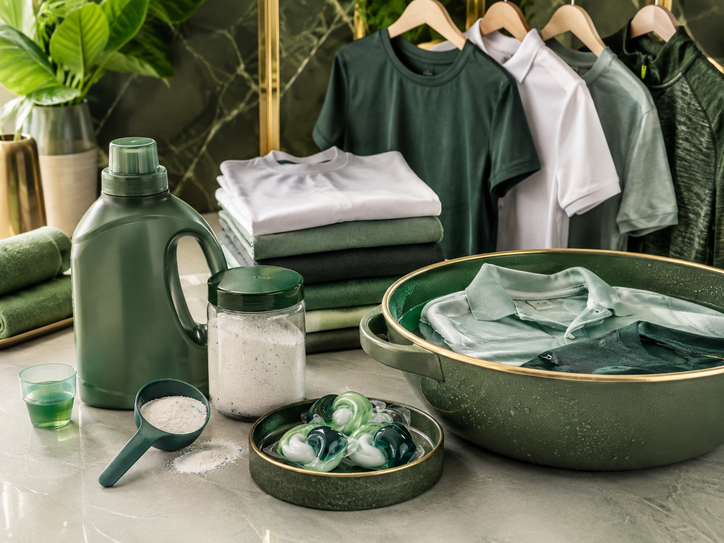
Detergent types
Liquid, Powder or Pods: Does the Amount Change?
Liquid Detergent
Measure liquid detergent using the cap or dosing device supplied by the manufacturer. Concentrated liquids can require surprisingly small amounts, so avoid pouring by eye.
Powder Detergent
Use the scoop or weight recommendation on the pack. Too much powder can be difficult to dissolve or rinse, especially in cool water or very short cycles.
Laundry Pods or Capsules
Use the number of pods stated for your load size and soil level. Do not cut, open or partially use a pod to create a smaller dose.
High-Efficiency Detergent
Front-loaders and other high-efficiency machines generally need low-sudsing HE detergent. Use the machine-compatible formula and the dose recommended for that product.
Detergent for Hand Washing
A sink or basin usually needs much less detergent than a washing machine. Mix the stated hand-wash amount into the water before adding clothes.
Detergent Used for Stain Pre-Treatment
If the product allows pre-treatment, use only a small amount directly on the stain and follow its contact-time instructions. This is separate from the main wash dose.
Do Not Assume All Detergents Have the Same Strength
Two bottles of the same size may have very different concentrations and recommended doses. Always measure according to the exact detergent label rather than copying an amount from another product.
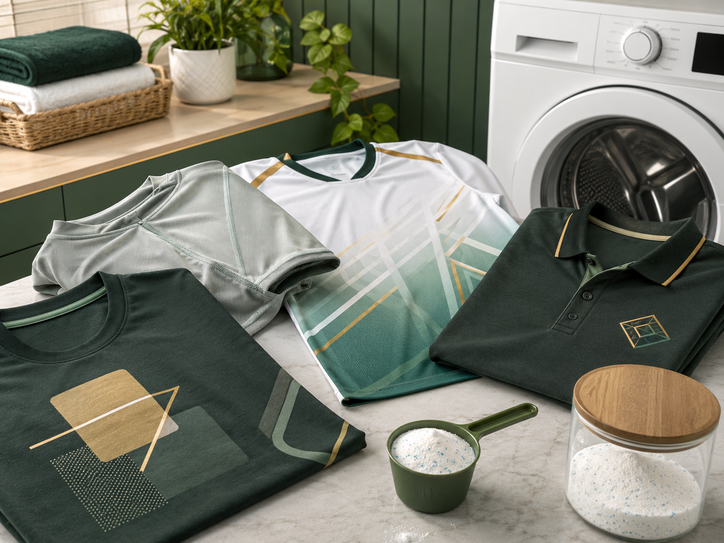
Printing and branding
Why Detergent Amount Matters for Printed Shirts
Silkscreen Printing
Use the correct detergent dose and wash the shirt inside out. Excess detergent is not needed to clean the print and may leave residue if the load does not rinse well.
DTF Transfers
Gentle washing, correct dosing and lower heat are more useful than adding extra detergent. Avoid harsh chemicals unless the garment and transfer care instructions specifically allow them.
Sublimation Printing
Sublimation is commonly used on polyester sportswear. A normal recommended detergent dose is usually enough; extra detergent will not make the embedded design cleaner.
Embroidery
Correct dosing helps detergent rinse out of both fabric and stitched areas. Avoid heavily overdosing a load containing dense embroidery or textured panels.
More Detergent Is Not a Substitute for Stain Treatment
If a printed or embroidered shirt has grease, deodorant or another localised stain, treat the affected area using a fabric-safe method instead of simply increasing the detergent for the whole wash.
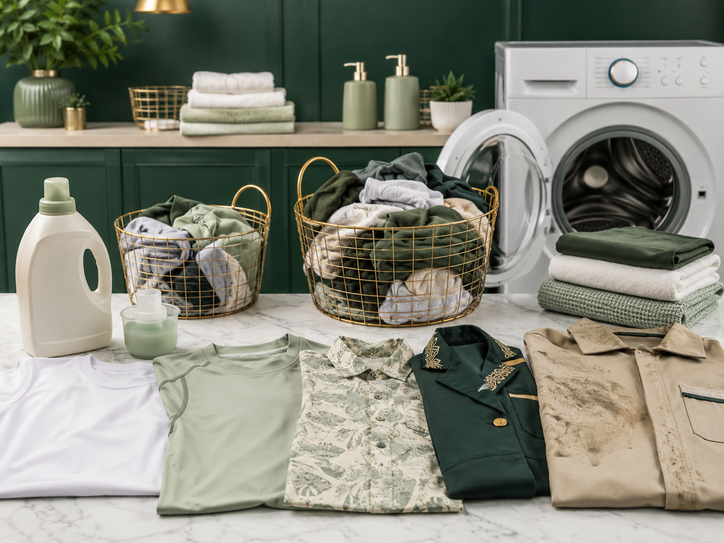
Dose factors
5 Things That Change How Much Detergent You Need
Load Size
A half load normally needs less detergent than a full load. Use the detergent brand's load-size guidance rather than the drum size alone.
Soil Level
Office shirts worn indoors usually need less cleaning power than sportswear, kitchen uniforms or clothing with visible dirt.
Water Hardness
Hard water contains more minerals and may require the higher dose stated by the detergent manufacturer.
Detergent Strength
Concentrated formulas are designed to work at lower volumes. Measuring by eye can easily lead to overdosing.
Machine Type
High-efficiency machines use less water and generally require suitable low-sudsing detergent in carefully measured amounts.
Fabric and Finish
Quick-dry synthetics, stretch fabrics, printed shirts and embroidered uniforms still need correct rinsing, so excessive detergent should be avoided.
| Garment type | Detergent approach | Helpful care point |
|---|---|---|
| Cotton T-shirt | Standard measured dose | Sort colours and follow the care-label temperature |
| Polyester quick-dry shirt | Normal measured dose; avoid excess | Rinse well because residue can hold odour |
| Printed T-shirt | Correct dose, not extra detergent | Turn inside out when appropriate |
| Embroidered uniform | Measured dose with good rinsing | Avoid very harsh products unless allowed |
| Heavily soiled workwear | Use the higher label dose if recommended | Pre-treat localised stains instead of overdosing the whole load |
Watch for residue: if clothes repeatedly feel soapy, stiff, coated or strongly fragranced after rinsing, review your detergent dose, load size and machine settings.
Step-by-step washing
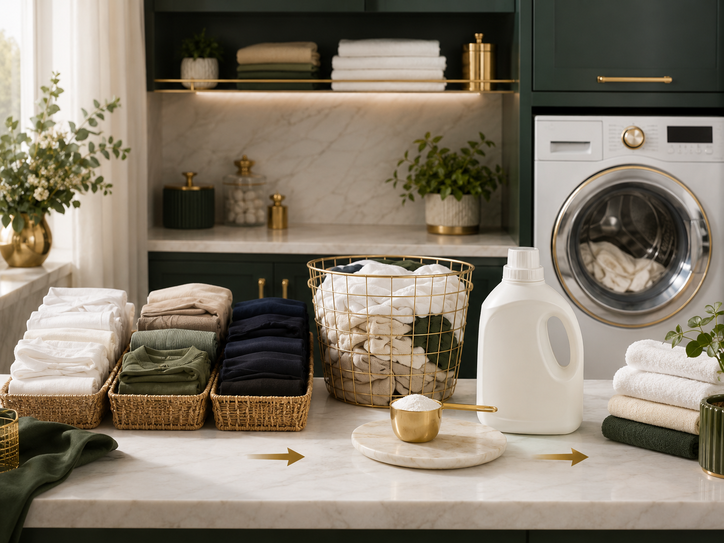
How to Measure Detergent Correctly
Check the Garment Care Labels
Sort clothes by colour, fabric and washing requirements before deciding how large the load should be.
Estimate the Load Size
Identify whether you have a small, normal or large load using your machine and detergent guidance.
Check How Dirty the Clothes Are
Light everyday wear needs less cleaning power than clothing covered in sweat, soil, grease or food stains.
Read the Detergent Label
Find the recommended dose for your load size, soil level, water hardness and machine type.
Measure Instead of Guessing
Use the cap, scoop, dosing ball or pod count intended for that detergent. Do not fill the machine drawer to the top unless instructed.
Review the Result
Clothes should come out clean and well rinsed. Persistent residue, excess suds or odour can be signs that the dose, load size or wash settings need adjustment.
Common situations
How Much Detergent for These Laundry Loads?
Small Load of Lightly Worn Shirts
Use the lower dose listed for a small or lightly soiled load. Adding a full-load dose can make rinsing unnecessarily difficult.
Sweaty Quick-Dry Sports Shirts
Use the detergent's dose for the load and soil level, but do not automatically double it. Wash promptly and make sure the garments rinse and dry thoroughly.
Dirty Uniforms With Visible Stains
Pre-treat specific stains and use the higher wash dose only if the detergent label recommends it for heavily soiled loads.
Two or Three Shirts in a Basin
Use the detergent's small hand-wash dose. Machine-wash quantities are usually excessive for a basin containing only a few garments.
Quick checklist
Do's and Don'ts for Laundry Detergent
Do
- Read the dosing instructions for the exact detergent
- Measure according to load size and soil level
- Use HE detergent when your machine requires it
- Consider the manufacturer's hard-water guidance
- Pre-treat localised stains when appropriate
- Make sure clothes rinse thoroughly
Avoid
- Pouring detergent by eye for every load
- Assuming more detergent always means cleaner clothes
- Using a full-load dose for only a few shirts
- Overfilling the detergent drawer or measuring cap
- Cutting or opening laundry pods to change the dose
- Ignoring detergent residue or repeated excess suds
Frequently asked questions
Laundry Detergent FAQ
How much laundry detergent should I use?
Use the dose stated by your detergent manufacturer for your load size, soil level, water hardness and machine type. There is no single amount that is correct for every detergent.
Is more detergent better for dirty clothes?
Not automatically. Use the higher dose only when the label recommends it for heavily soiled loads. Pre-treatment is often better for individual stains than overdosing the entire wash.
What happens if I use too much detergent?
It can create excess suds or residue and make clothes harder to rinse. Repeated buildup may contribute to stiff-feeling fabric, dullness or trapped odours.
What happens if I use too little detergent?
There may not be enough cleaning agents to suspend and remove soil effectively, especially in a large, dirty load or hard water.
Do front-load washing machines need less detergent?
High-efficiency front-loaders use less water and should be used with compatible low-sudsing detergent. Follow both the machine manual and detergent dosing instructions.
How much detergent should I use for hand washing?
Use the product's stated hand-wash amount for the volume of water. A sink or basin normally requires much less than a machine load.
Should I use extra detergent for sports shirts?
Not unless the detergent label recommends it for the soil level. Prompt washing, the correct cycle and thorough rinsing are important for sweaty synthetic sportswear.
Can too much detergent make clothes smell?
It can contribute if detergent does not rinse away completely and residue remains in the fabric or machine. Other causes include leaving clothes damp, machine buildup and slow drying.
Choose garments that are easier to care for
Need T-Shirts for Work, Sports or Events?
Uniform Penang can help you compare cotton, polyester and blended shirts together with suitable printing methods for company uniforms, schools, sports teams, events and group orders.
Useful Uniform Penang resources
More T-Shirt Washing and Care Information
What Temperature Should You Wash Clothes At?
Choose a suitable washing temperature for fabric, colour and soil level.
Open article →Common T-Shirt Washing Mistakes
See common habits that can affect cleaning, colour, fit and fabric life.
Open article →Why Do Clothes Smell After Washing?
Learn how detergent buildup, dampness and washing-machine hygiene can affect odour.
Open article →How Long Should You Soak Clothes?
Understand when soaking helps and why leaving clothes too long can cause problems.
Open article →Should You Separate Whites and Colours?
Reduce the risk of dye transfer by sorting loads before detergent is added.
Open article →Contact Uniform Penang
Share your fabric, colour, quantity, artwork and required date.
Go to contact →Our other company websites
Regional Apparel and Printing Support
JC Print Malaysia
Regional apparel and printing support.
Visit website →Selangor Print
Regional apparel and printing support.
Visit website →Uniform Johor
Regional apparel and printing support.
Visit website →Uniform Sabah
Regional apparel and printing support.
Visit website →Uniform Singapore
Regional apparel and printing support.
Visit website →Uniform Hub SG
Regional apparel and printing support.
Visit website →Tanah Studio
Regional apparel and printing support.
Visit website →KitaPrint
Regional apparel and printing support.
Visit website →Product ranges, stock, colours, delivery coverage and service arrangements may vary by region.